
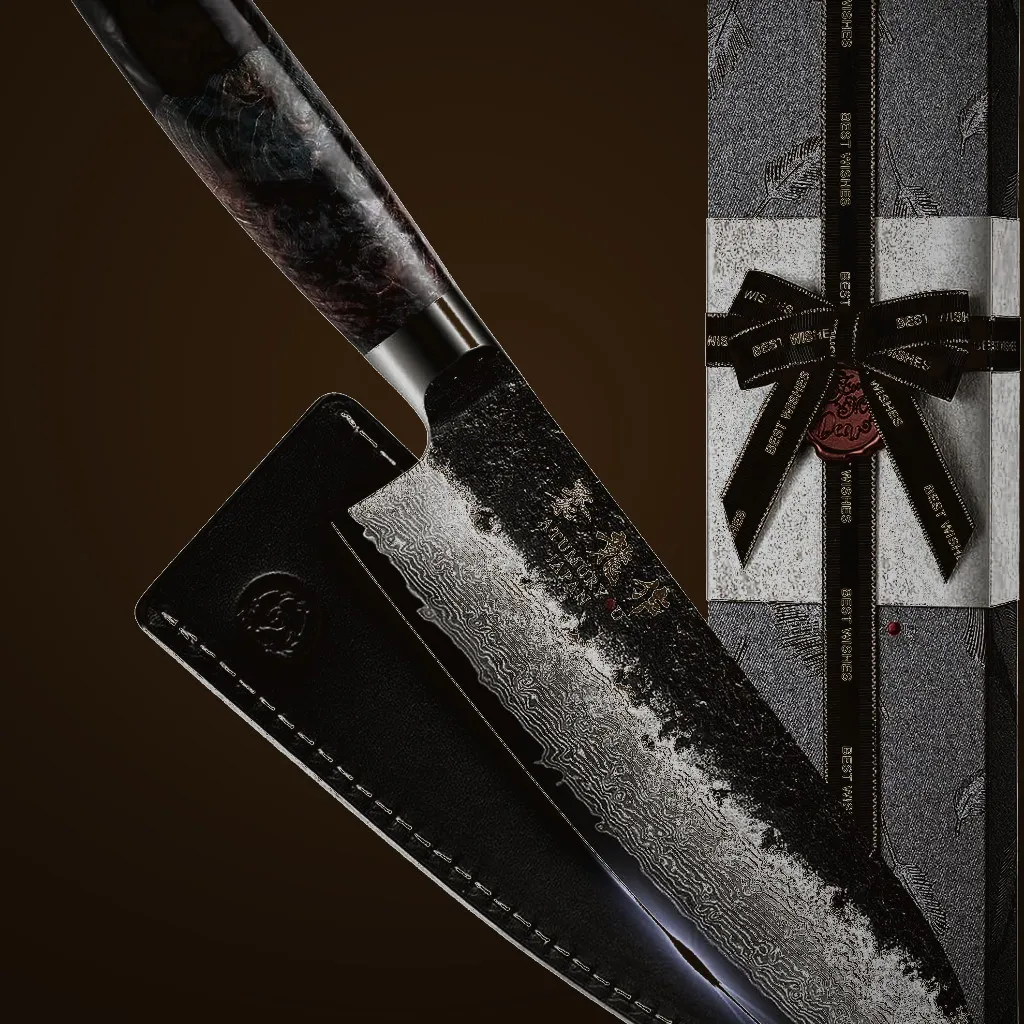
Chef Knives · The Primary Blade · Canada
Primary chef knives for Canadian kitchens
thirty-three pieces · $24.16 CAD – $2,179.08 CAD · Tracked shipping · 18+
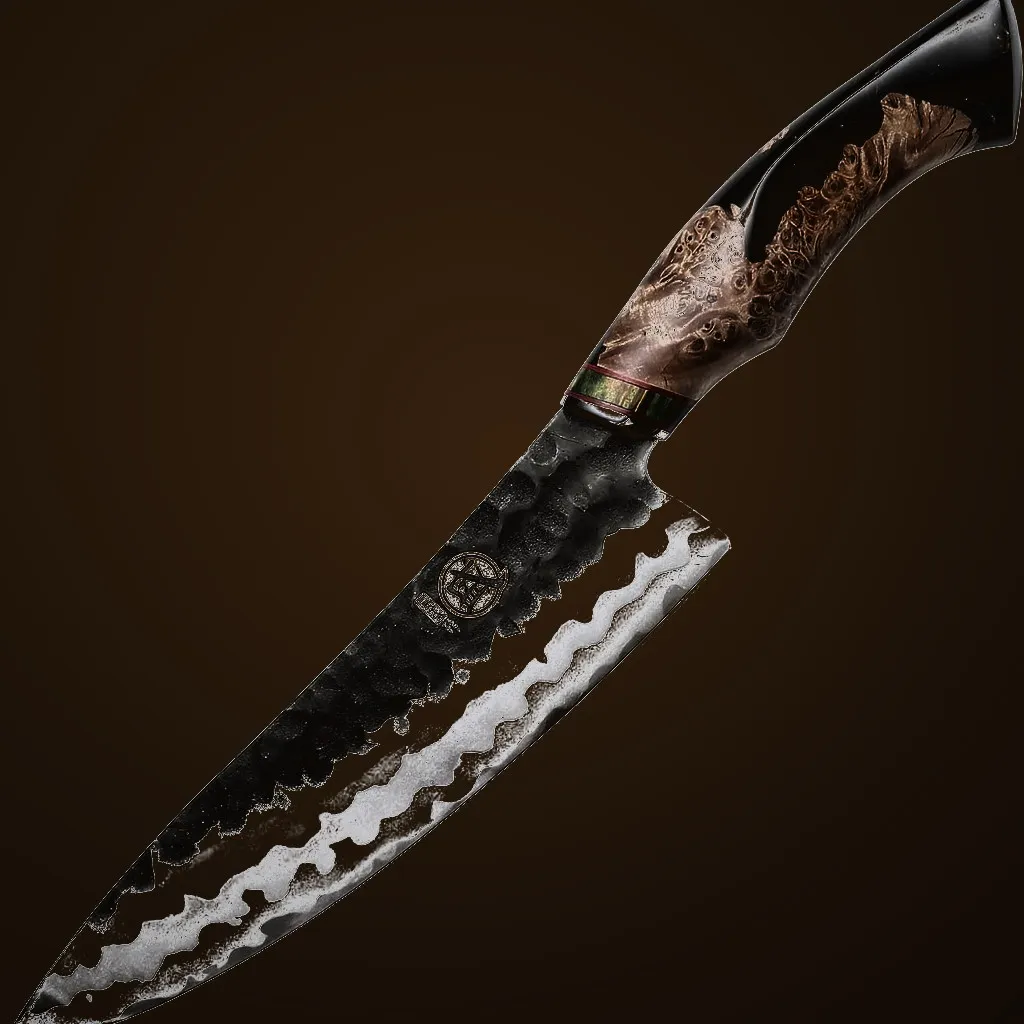
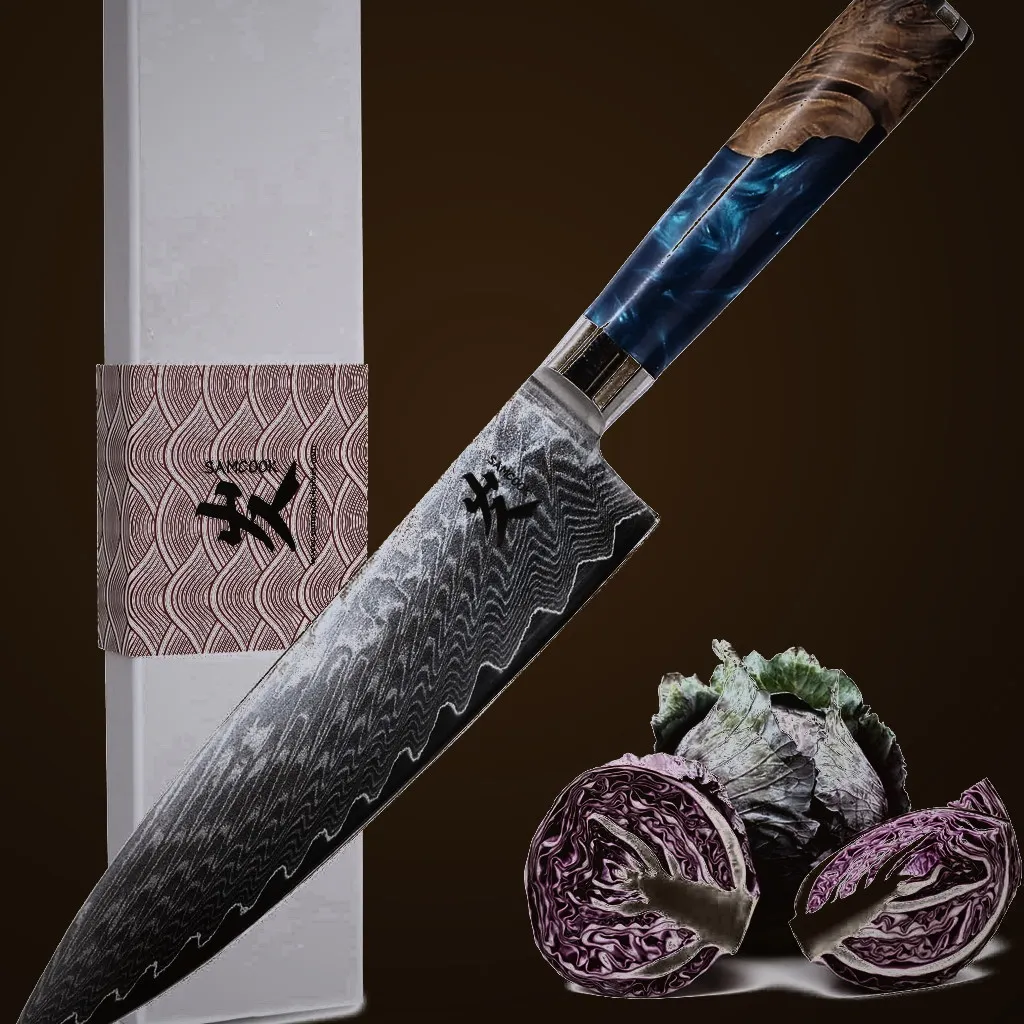
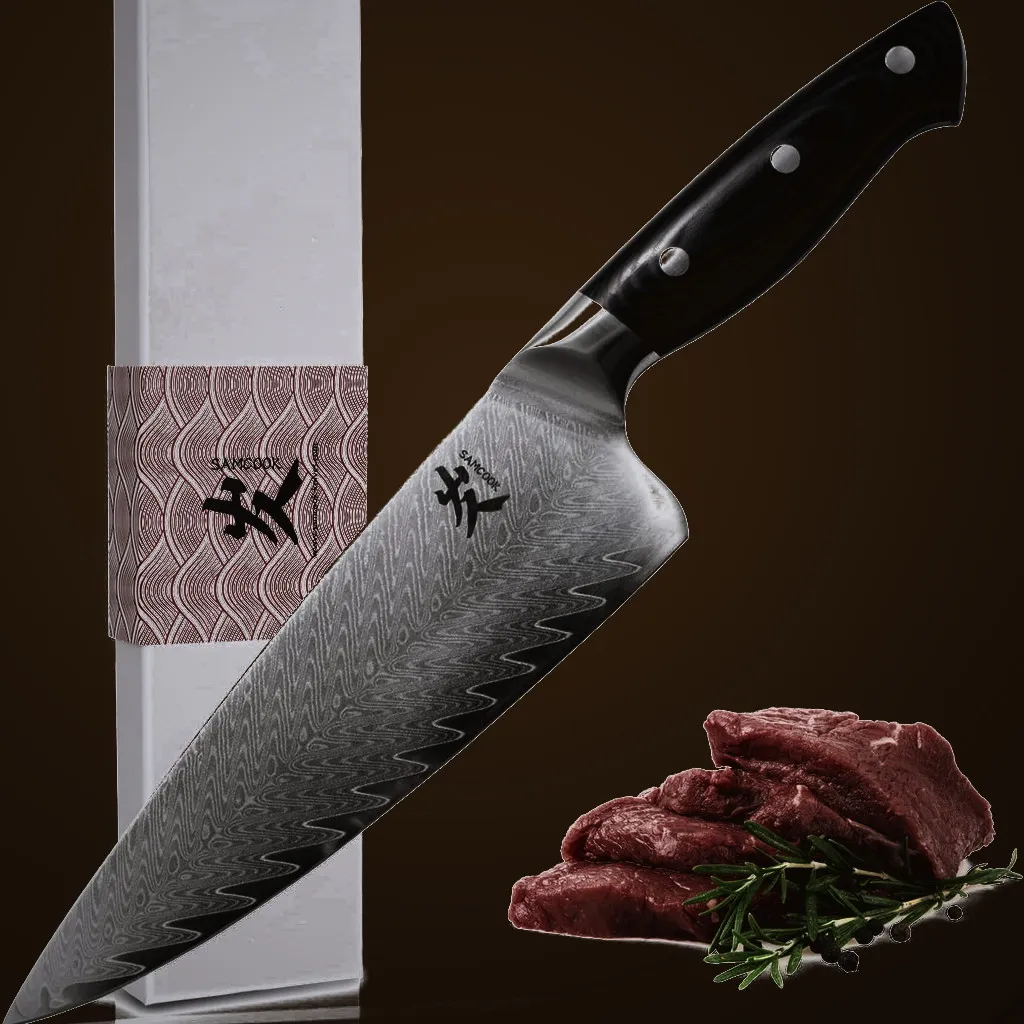
A chef knife is the one blade a Canadian kitchen actually needs: eight inches of named steel that rocks through an onion, cubes a squash, and minces herbs without swapping tools. This hub pulls gyuto, kiritsuke, bunka, and santoku from the kitchen and Damascus shelves — the primary-blade job, not the steak set, not the bread knife, and not the full block until you already cook every night.
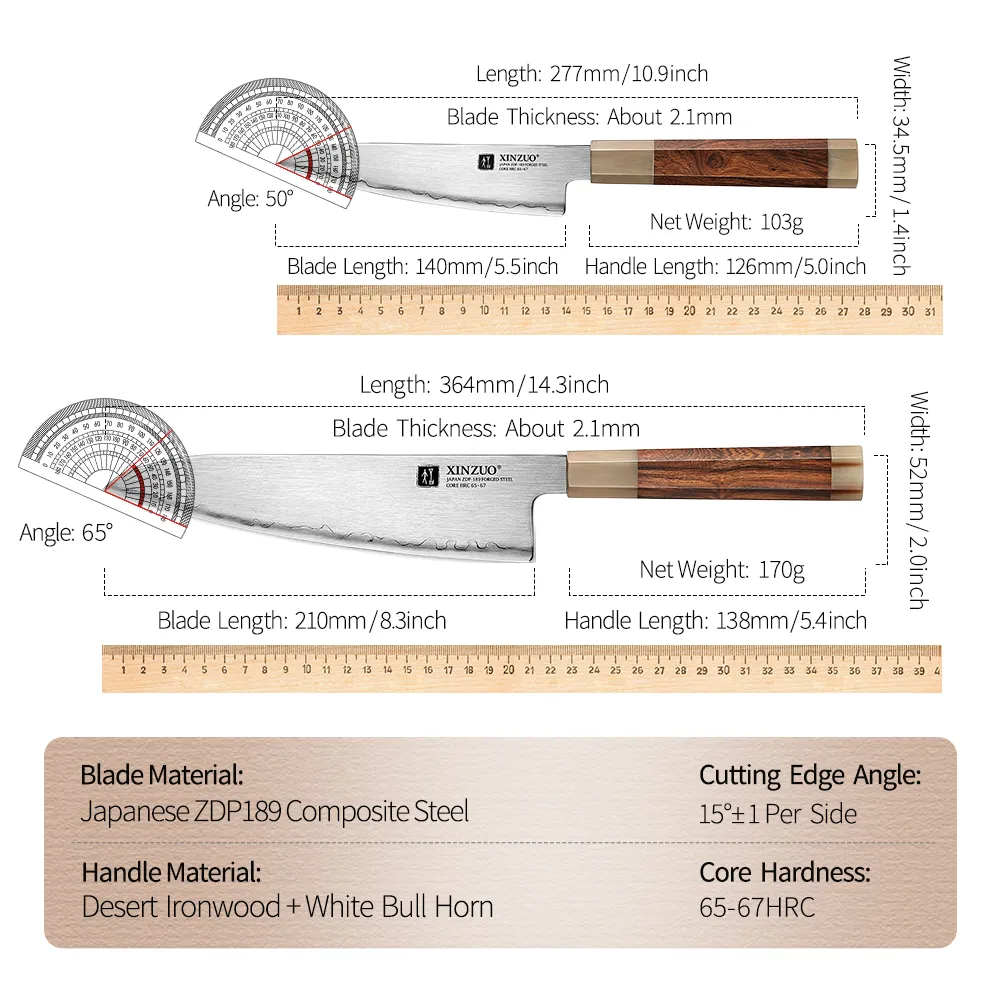
Canadian buyers are usually choosing between a Western-style chef or gyuto and a flatter Japanese santoku or bunka. The motion test is honest: if you rock, buy the curved chef or gyuto; if you chop with a flat push, buy the santoku. A kiritsuke is the longer, more angular cousin for people who already like a reverse-tanto tip. Core steel matters more than the face pattern. VG-10 around 60 HRC is the daily default; powder steel at 63 HRC holds longer and asks for a diamond stone from the sharpening-tools hub when it finally dulls.
Every price is in CAD. Tracked shipping is 10% of merchandise, free over $150, typically two to four weeks in discreet packaging. GST/HST is calculated at checkout from your province — you are not converting a US kitchen site at the door. Adults 18+. Hand-wash only. Kitchen chef knives are cooking tools; you confirm lawful ownership at checkout. The chef knives in Canada buying guide is the three-blade cooking kit — chef, paring, serrated — before you fill a block.
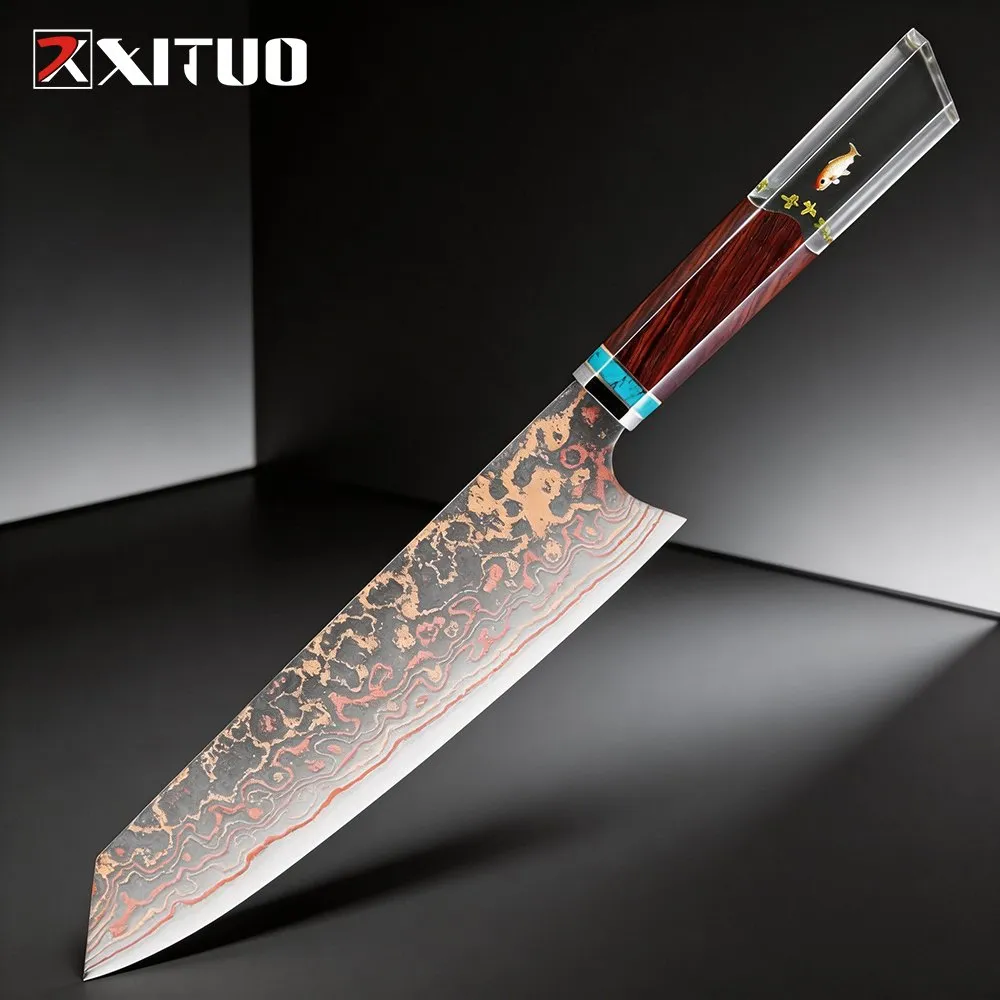
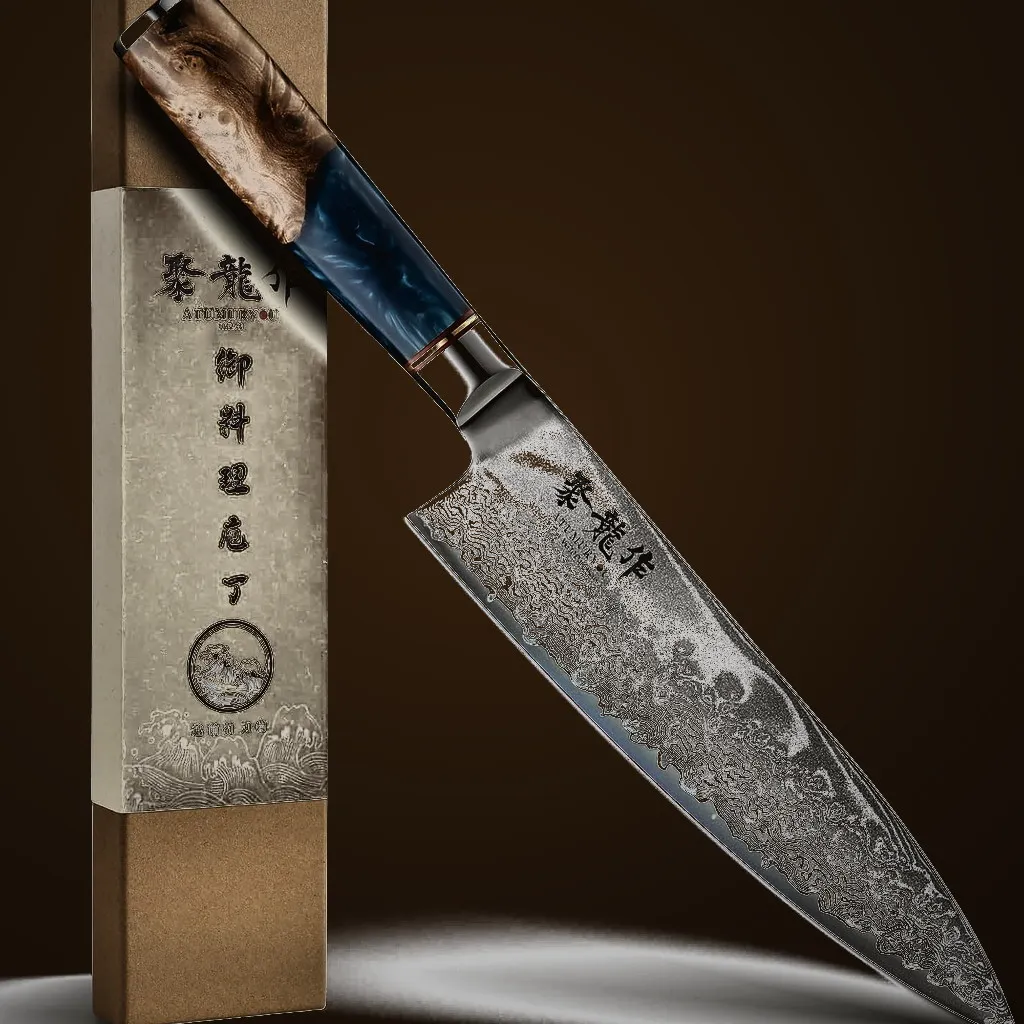
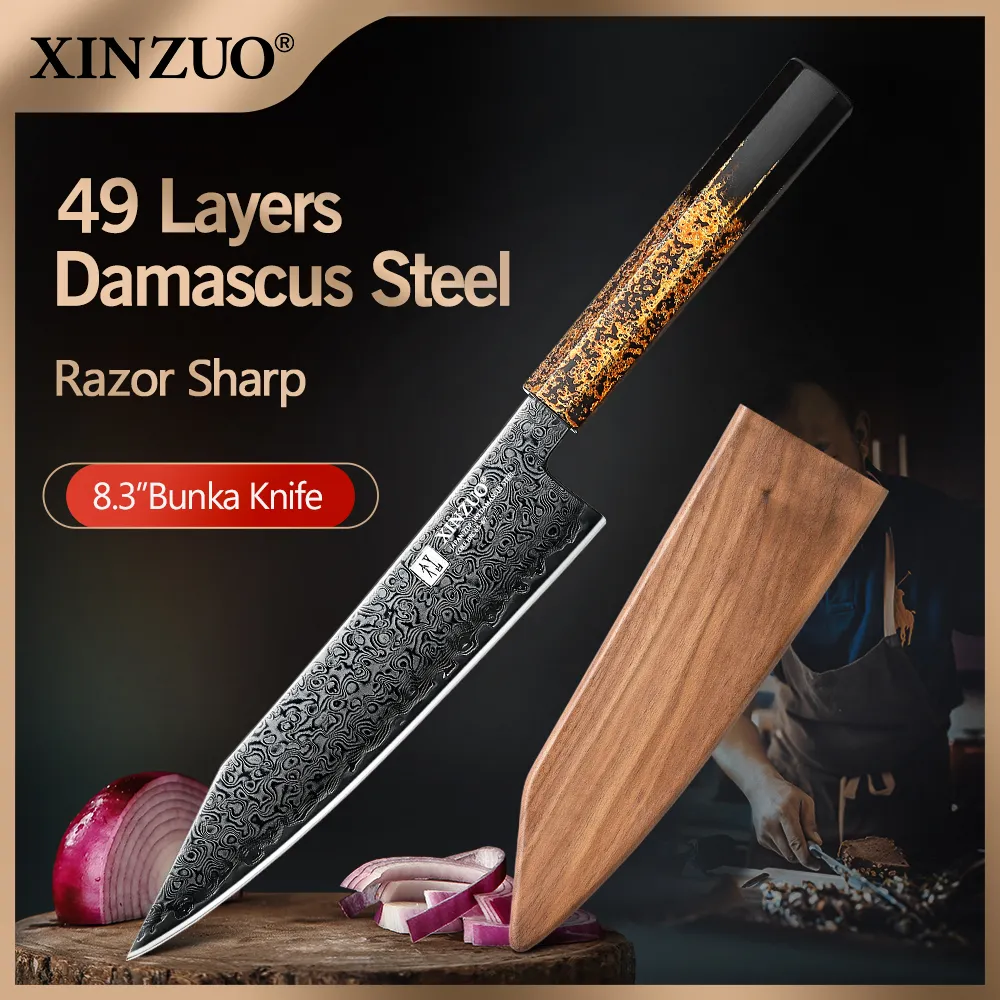
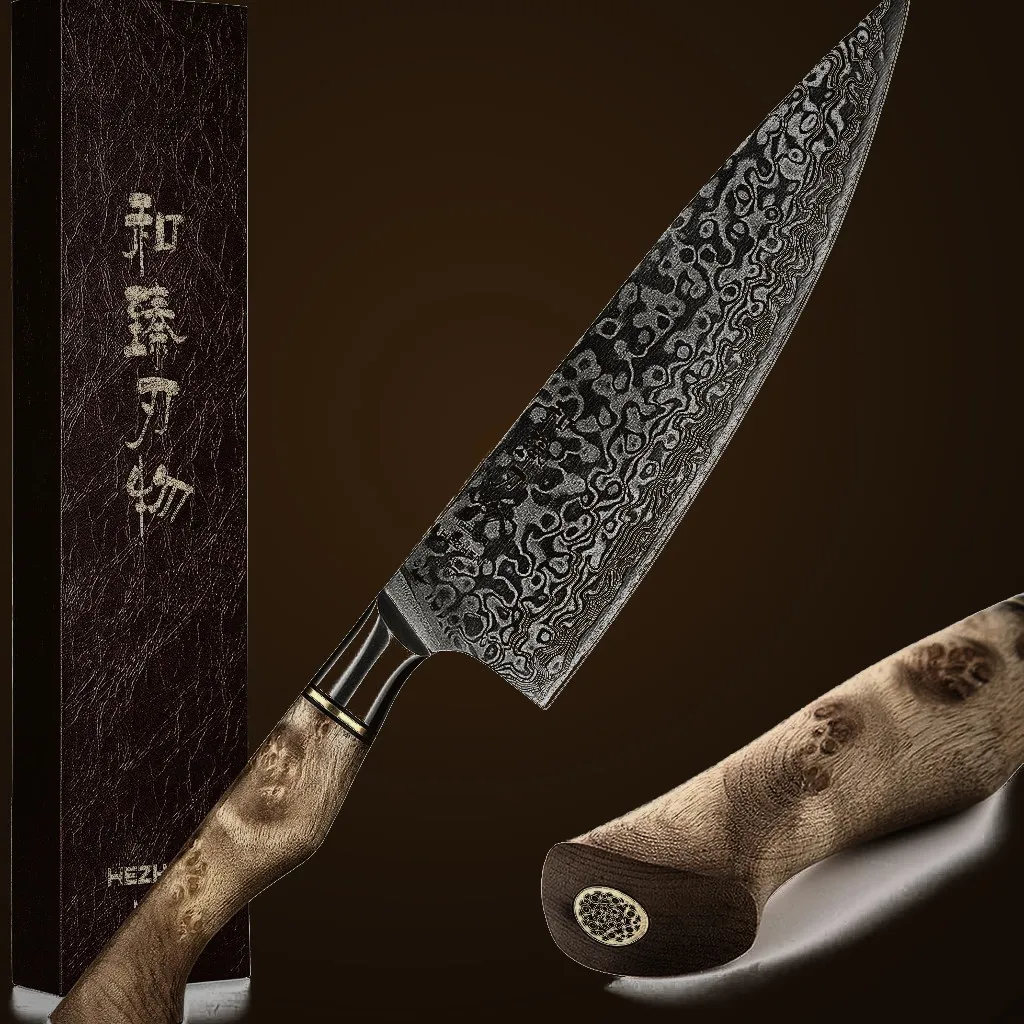
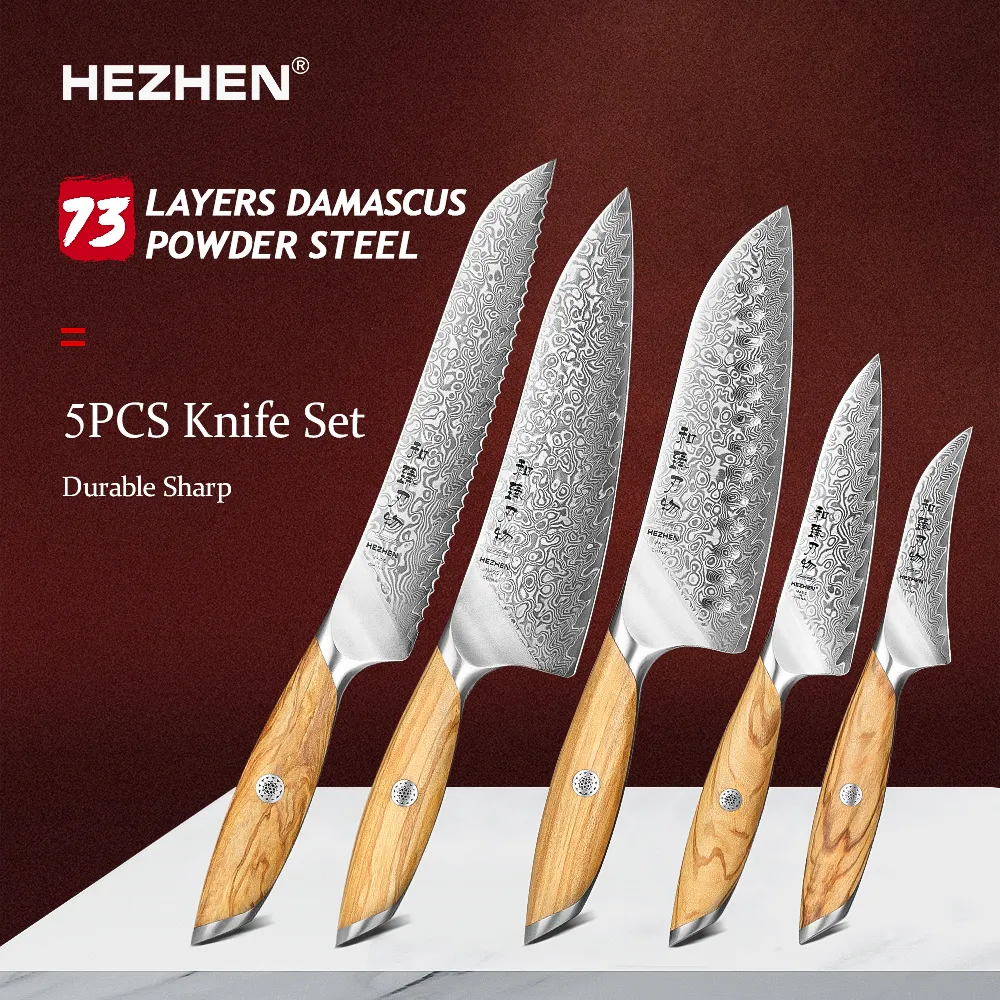
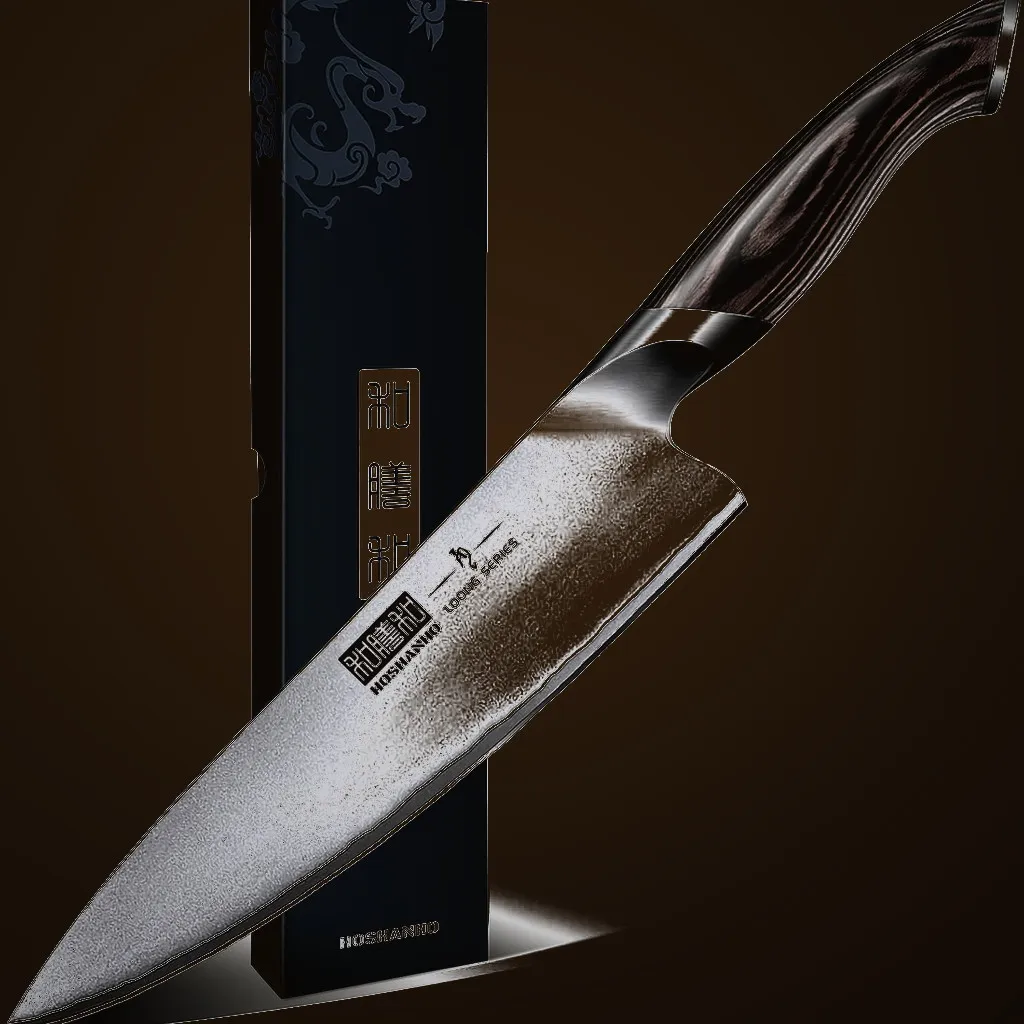
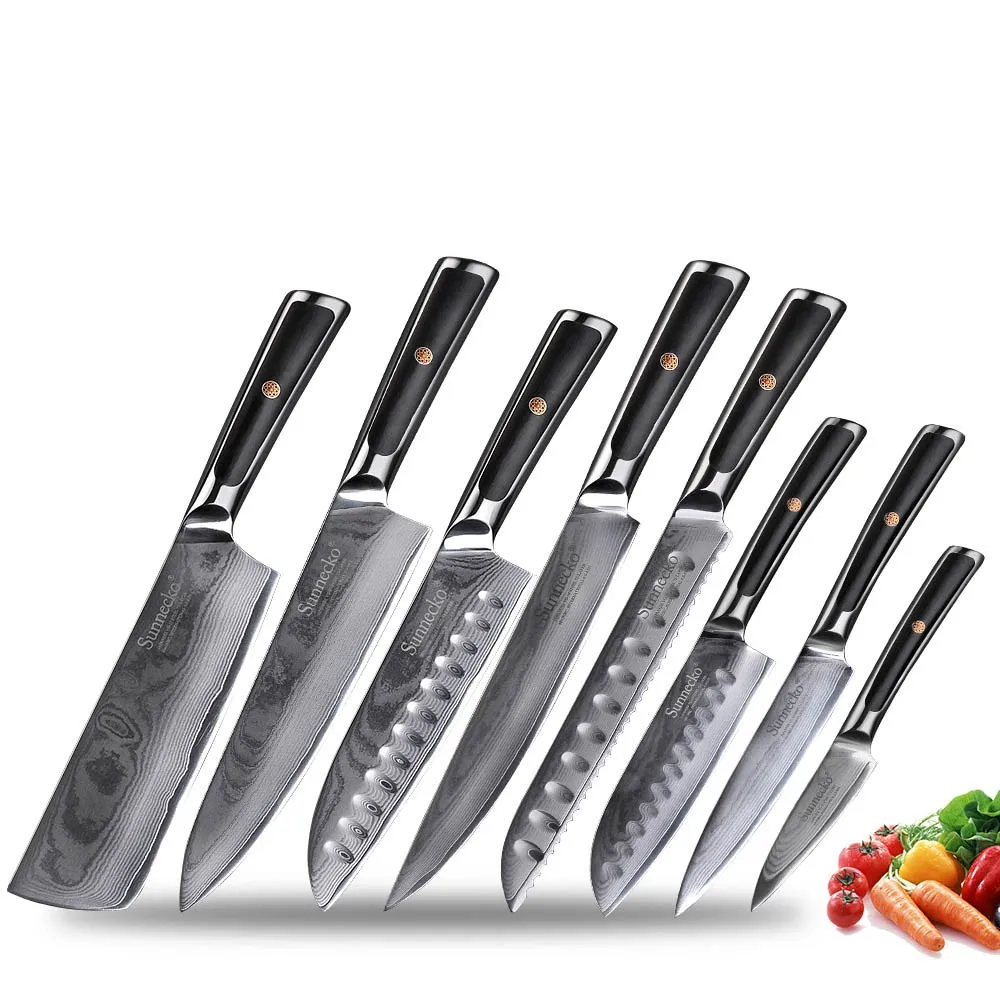
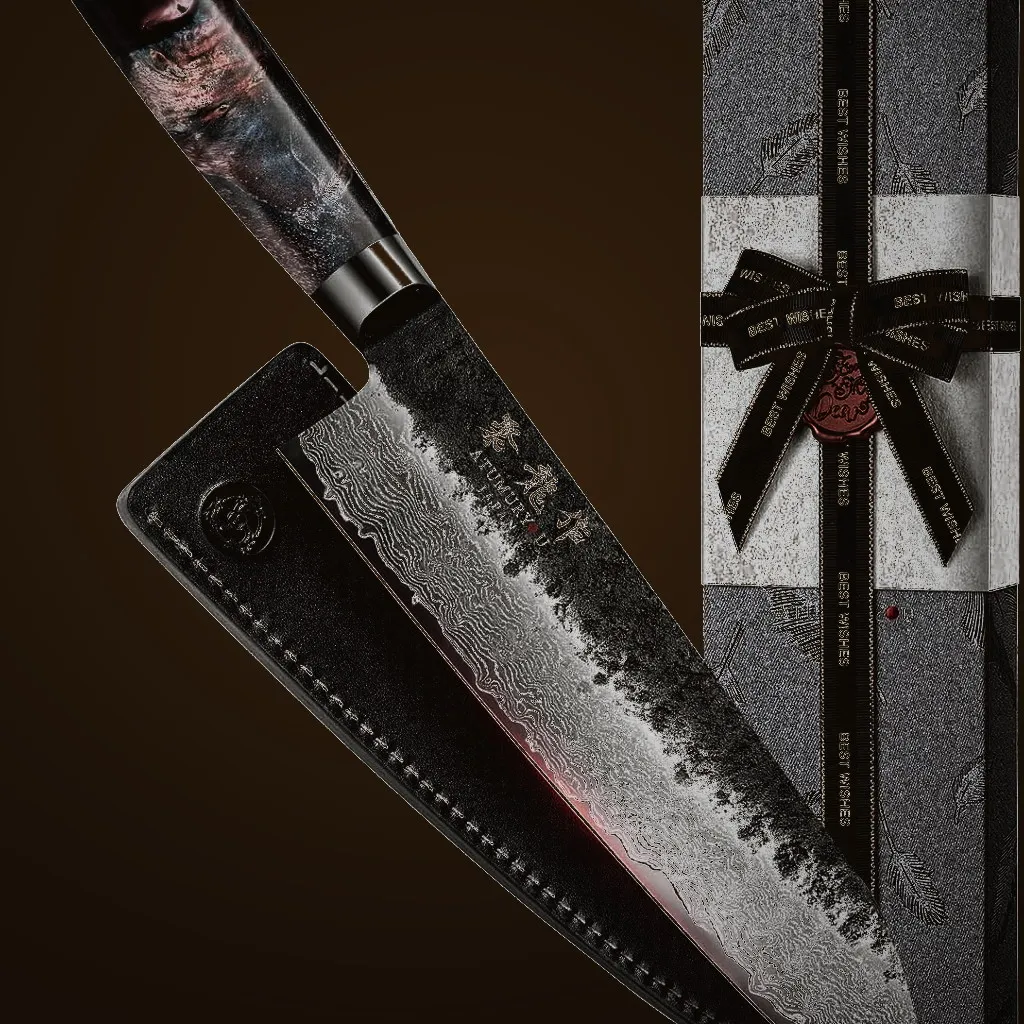
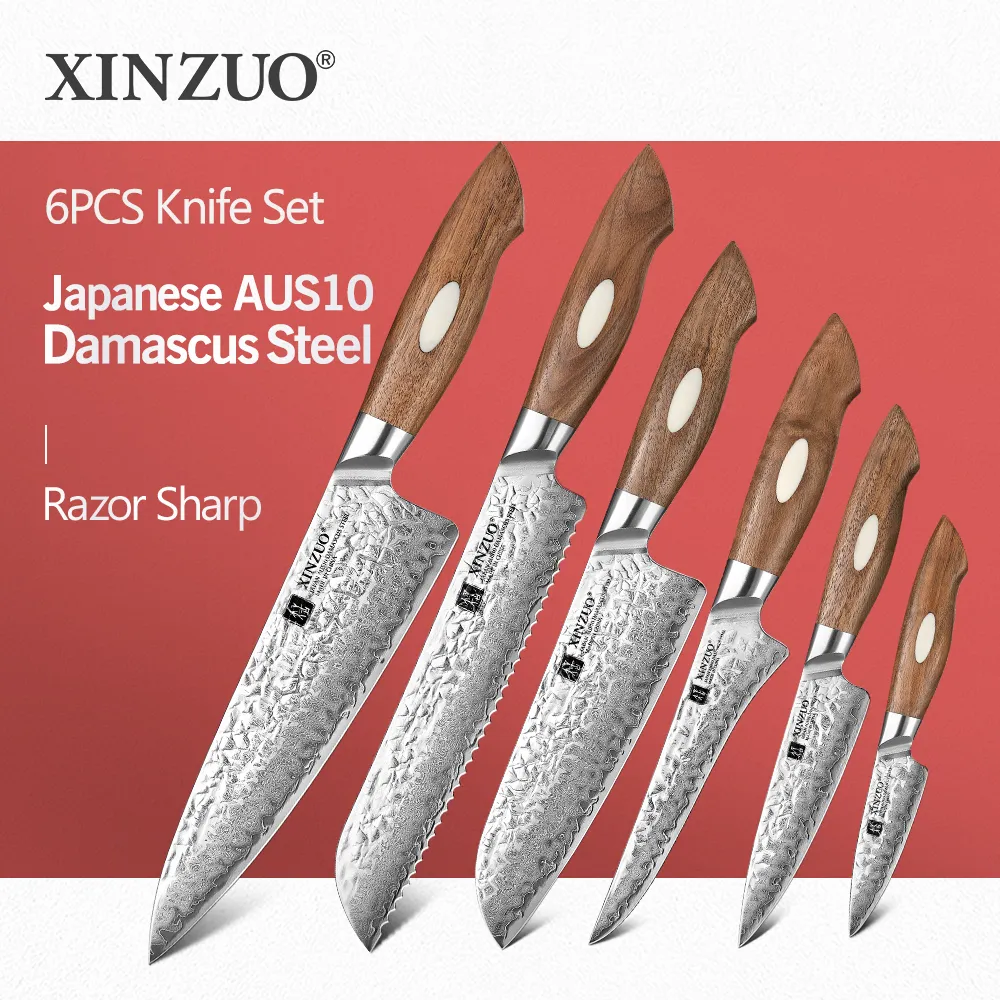
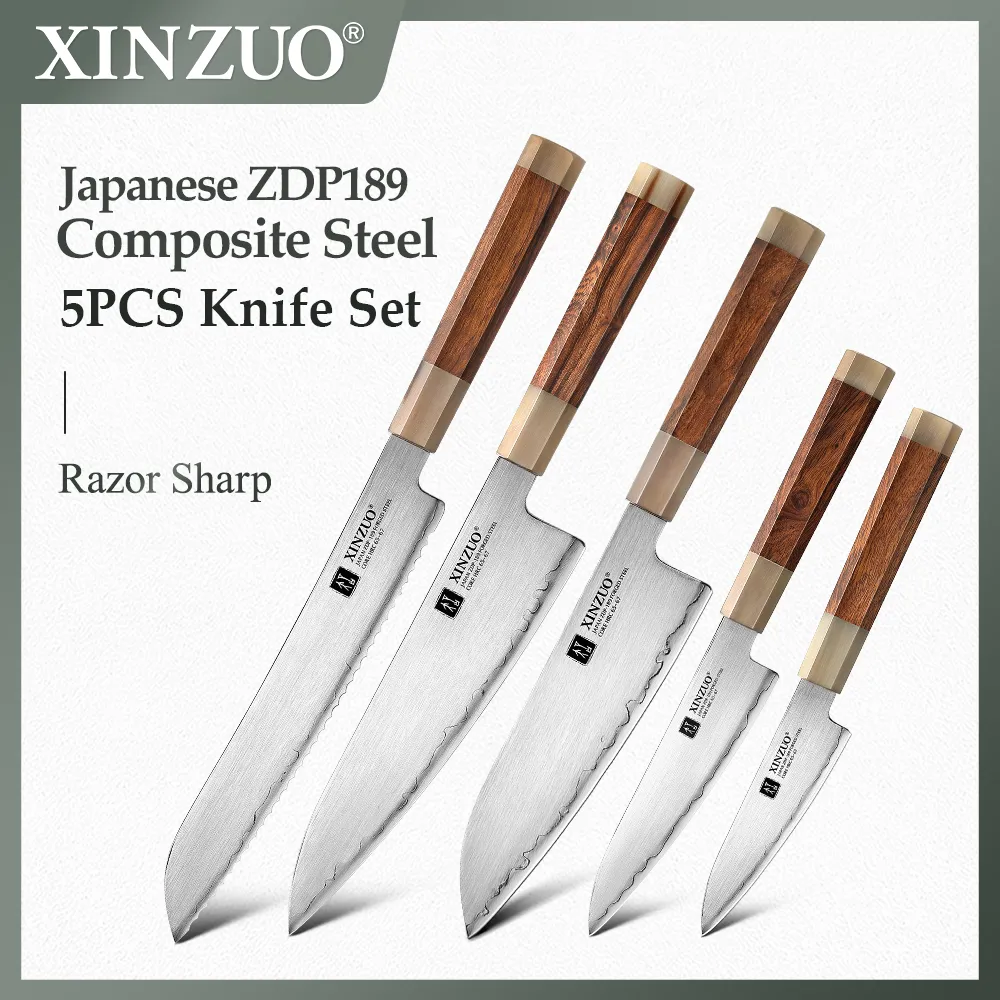
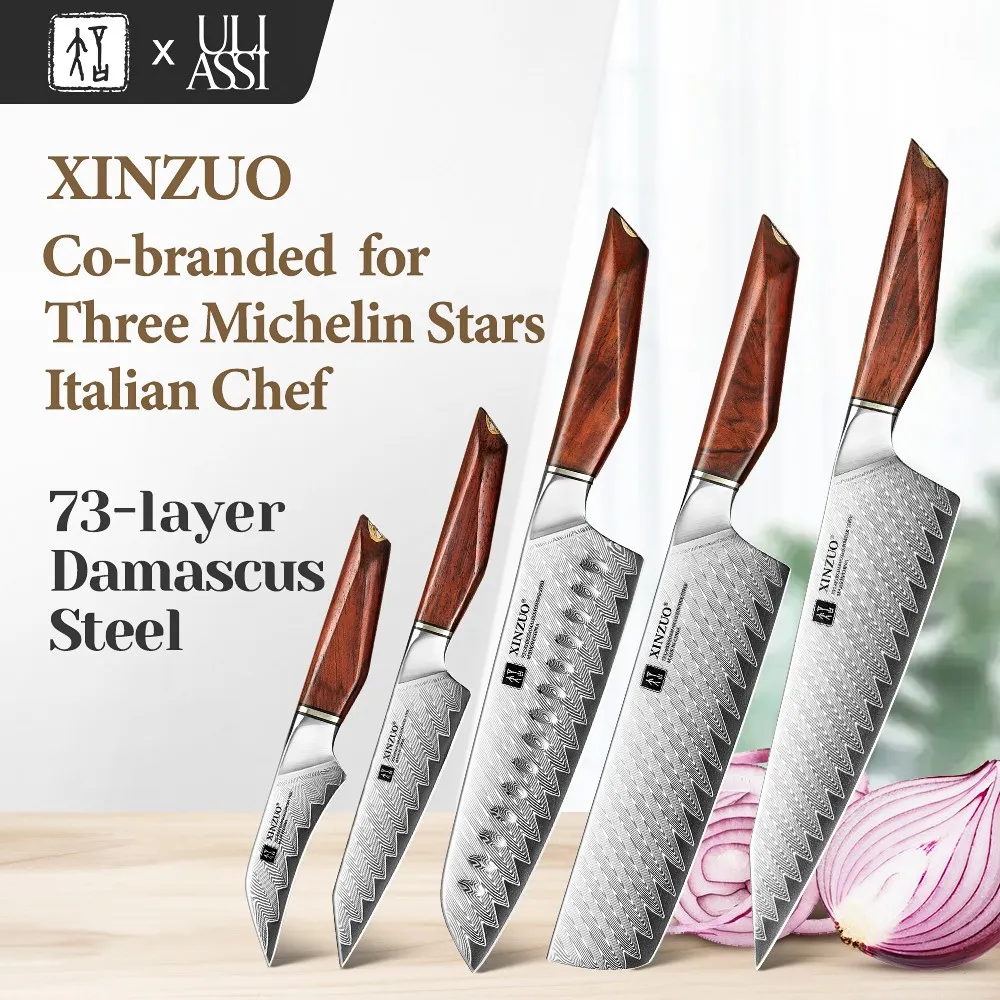
If the santoku is already the motion your hand uses, the Mitsumoto Sakari VG-10 Damascus santoku is the 8.5-inch VG-10 primary on this hub. A taller, more angular primary is the 8-inch kiritsuke. The Xinzuo 5.8-inch bunka is the shorter push-cut. The Hezhen 8.3-inch VG-10 chef is the rocking Western length. Sets that still centre on a chef — the Xinzuo Michelin 5-piece chef set and the Sunnecko VG-10 Damascus kitchen set — live here because the primary blade is the reason to buy them; the rest of the drawer stays on the kitchen hub.
8-inch chef · gyuto · Santoku · bunka · kiritsuke · Named cores · Priced in CAD
Chef knives in Canada — the cooking-kit guide →
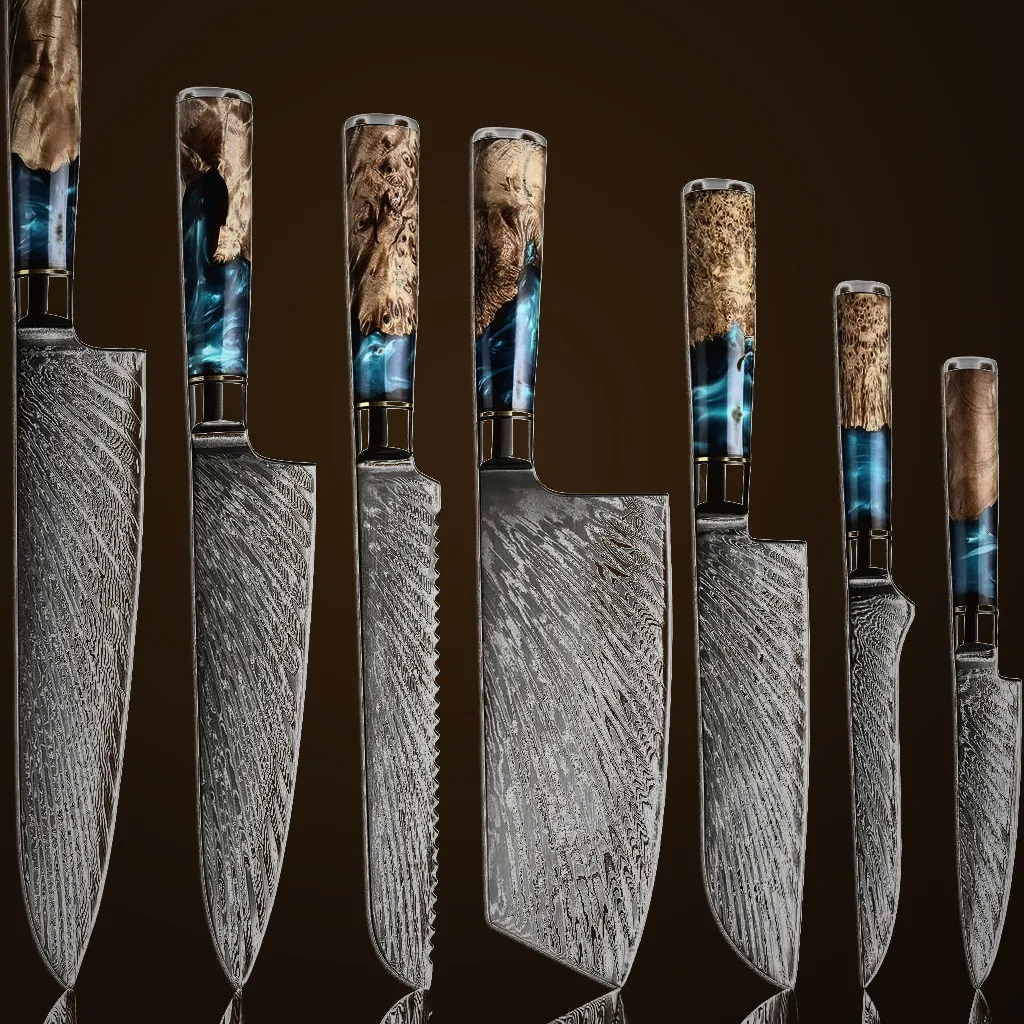
Featured on this shelf
Start here if you want a short list: featured pieces from this collection, priced in CAD.
Canadian storefront · Est. 2015
Priced in CAD
Canadian dollars on the tag. GST/HST calculated at checkout from your address.
Tracked delivery
Tracked shipping at 10% of merchandise, typically 2 to 4 weeks.
Discreet packaging
Plain packaging. No knife graphics on the outside of the box.
Free shipping over $150
Tracked shipping is free when the order is $150 CAD or more.
Adults 18+
Responsible ownership. You confirm lawful purchase at checkout. Unlawful orders are cancelled and refunded.
How to buy from this shelf
- Eight inches is the default length for a first chef knife. Shorter if your board is small or your hands are; longer only if you already know you want it.
- Name the core. VG-10, AUS-10, or powder steel. “Damascus” without a core is a face, not a knife. The Damascus hub is for the patterned cladding; this hub is the job.
- Balance should sit near the bolster when you pinch the blade. If the handle pulls the tip up, it will fight you on a long dice.
- A chef plus a whetstone is the honest first order. Free tracked shipping starts at $150 CAD. GST/HST at checkout.
Pieces this shelf is talking about
On this shelf
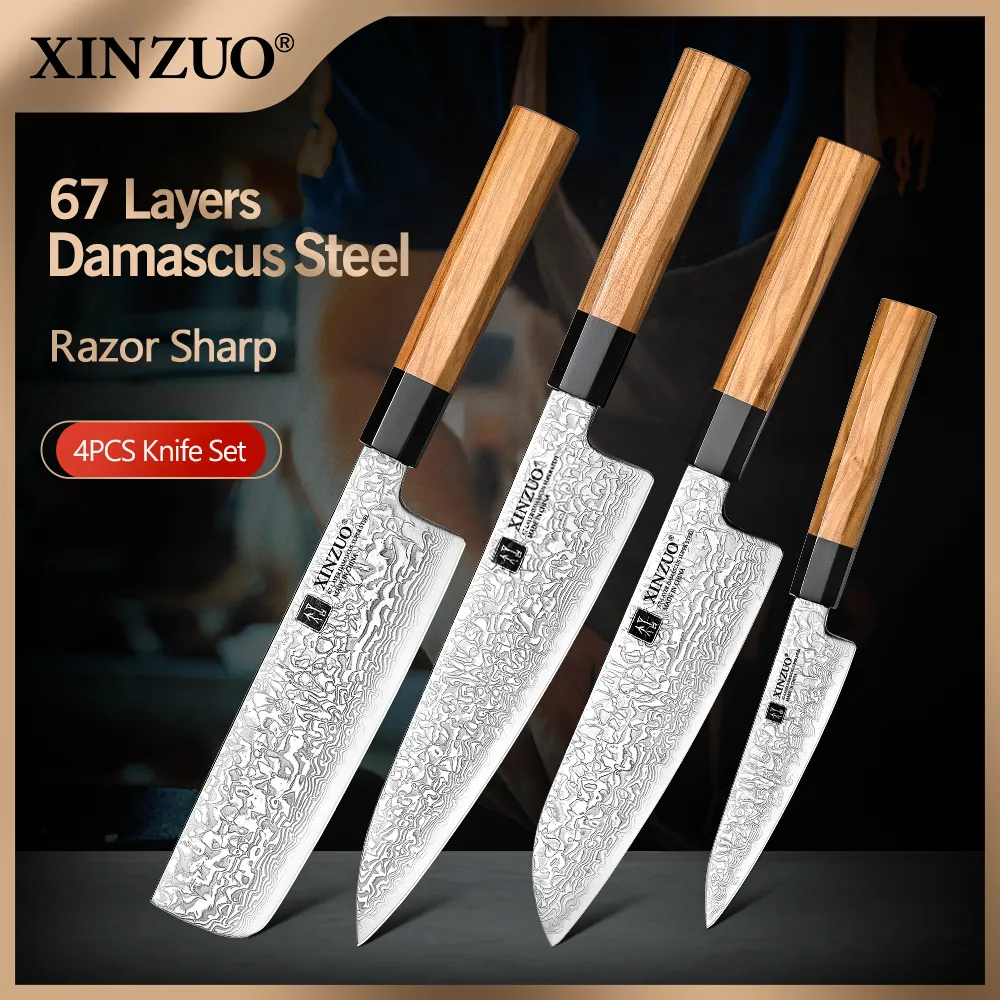
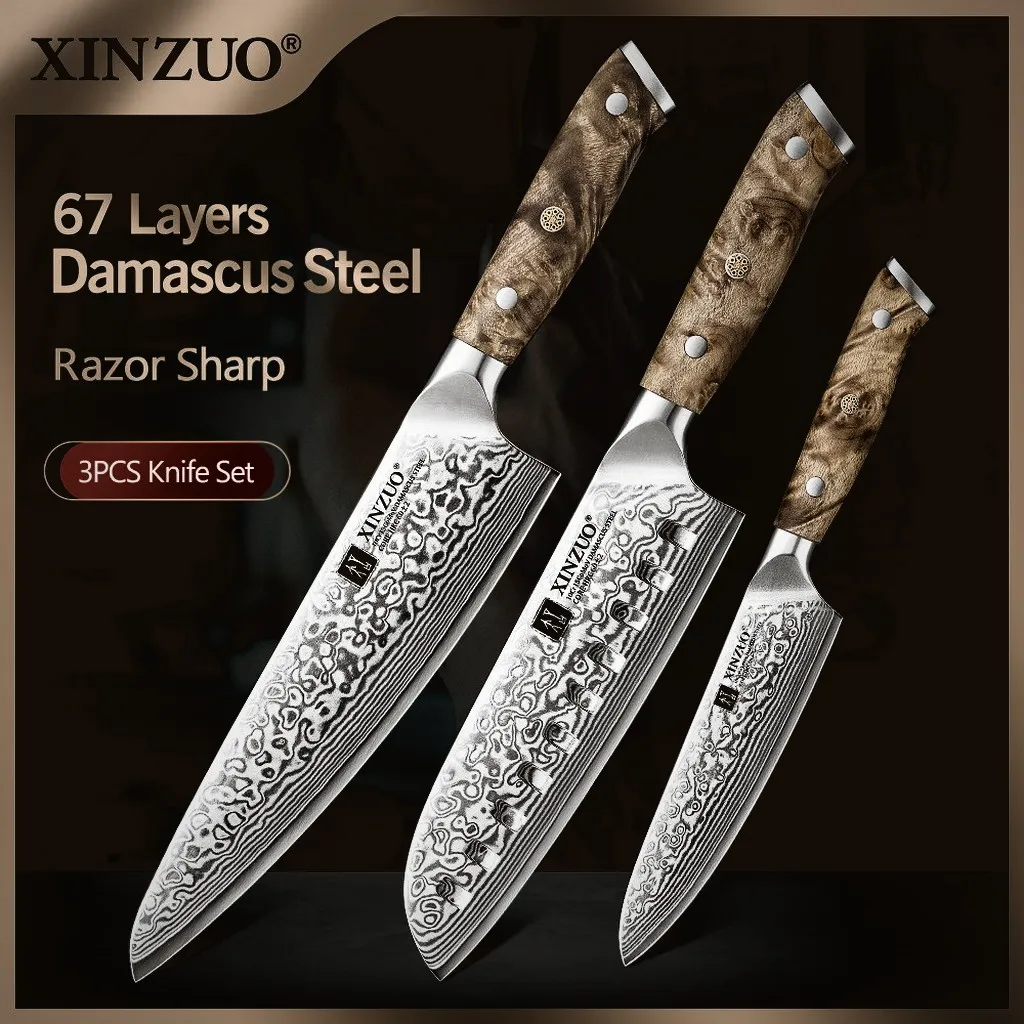
Santoku as a primary blade
If you push-cut instead of rocking, the santoku is the chef knife by another geometry.
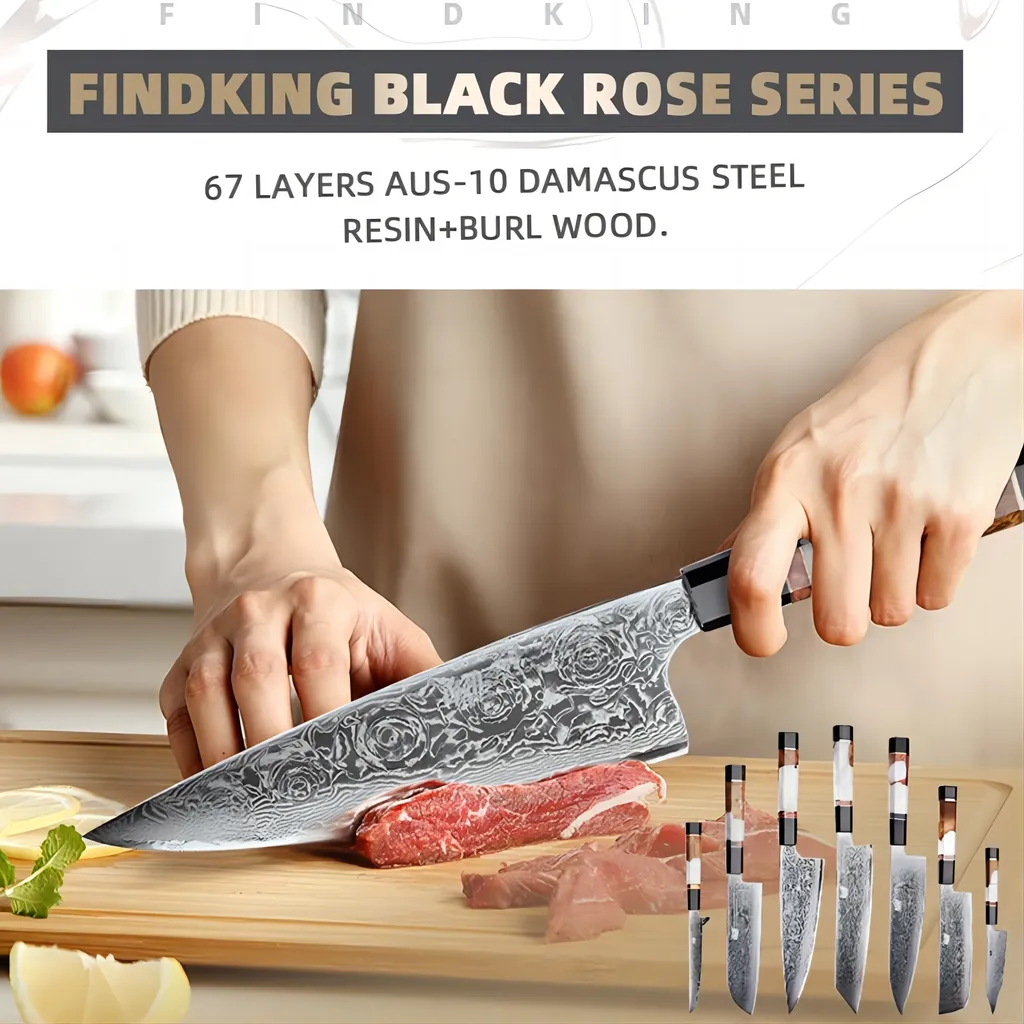
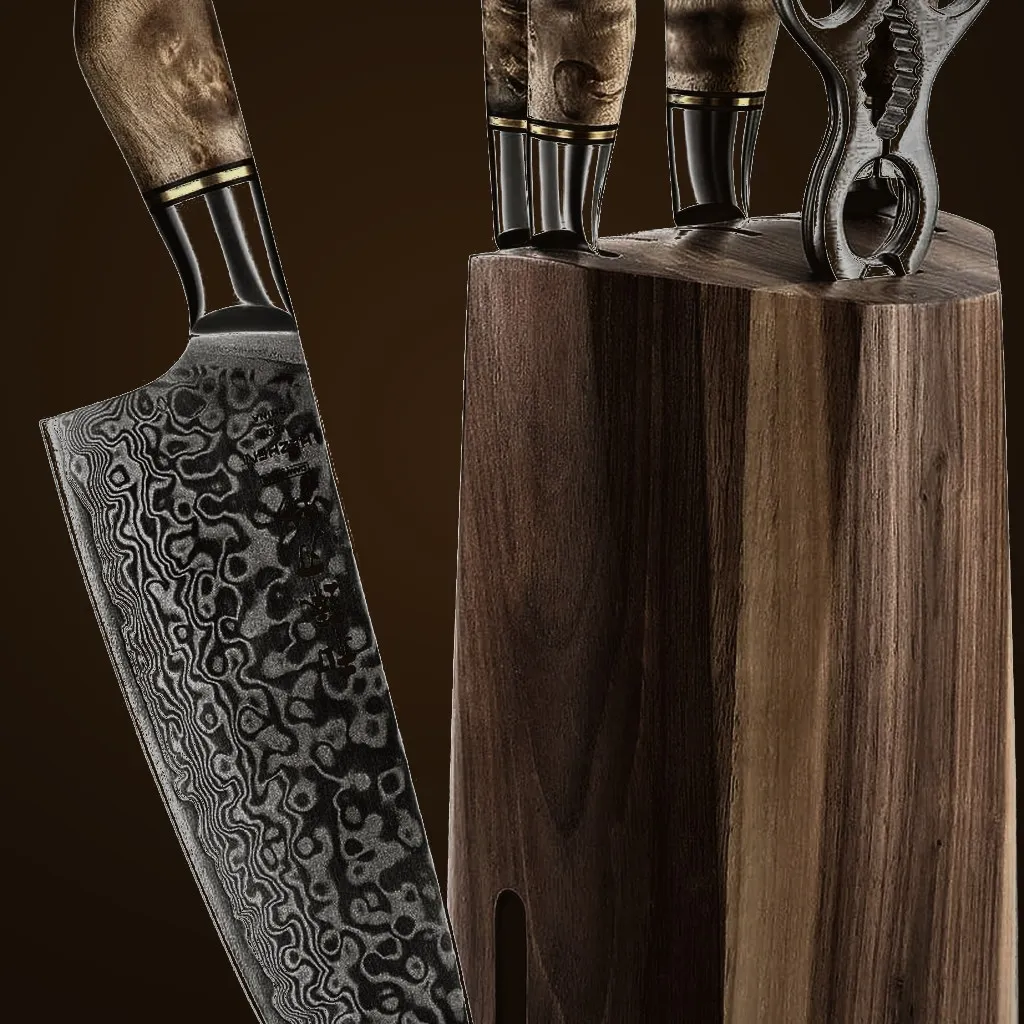
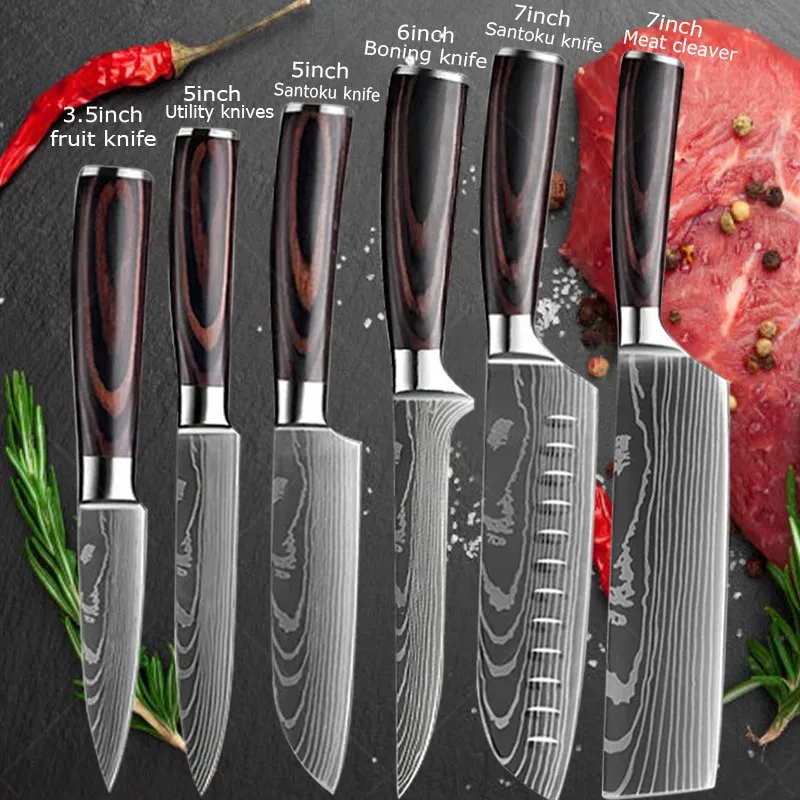
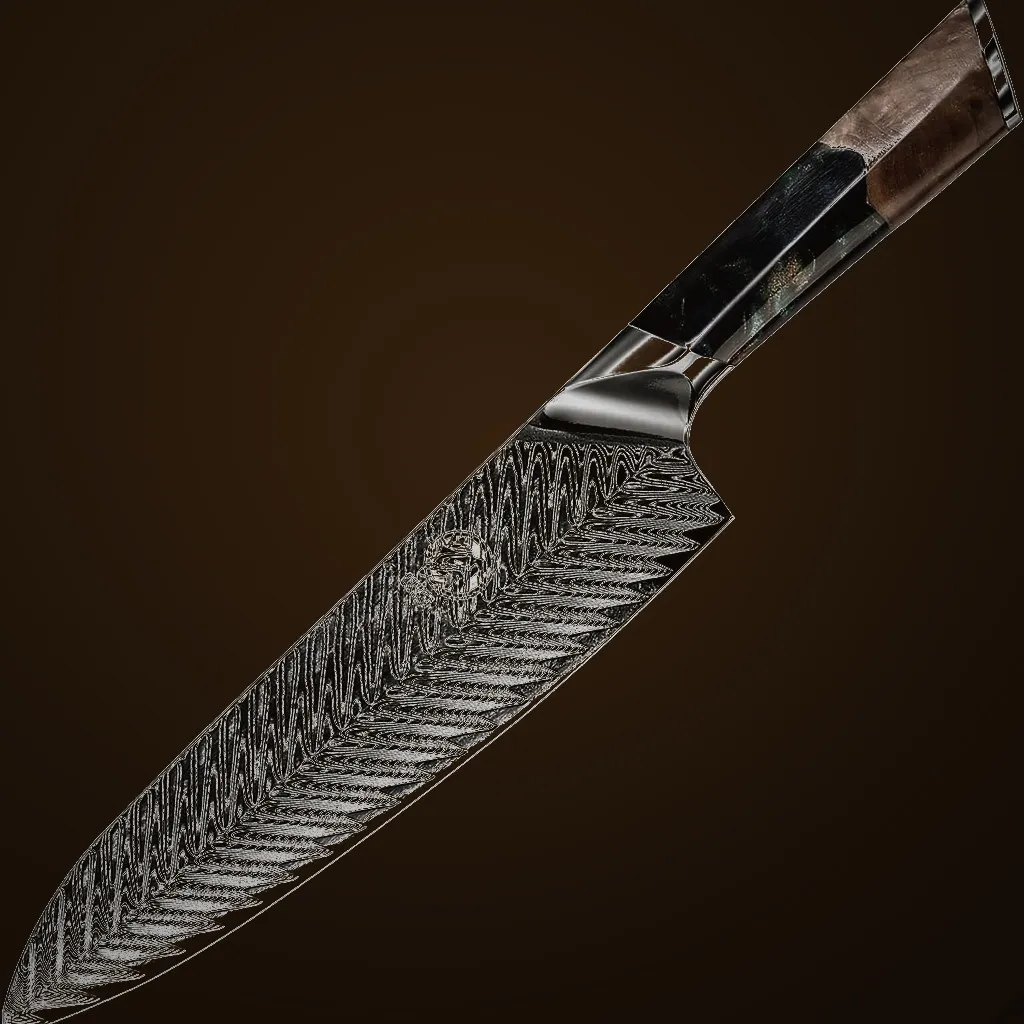
On this shelf
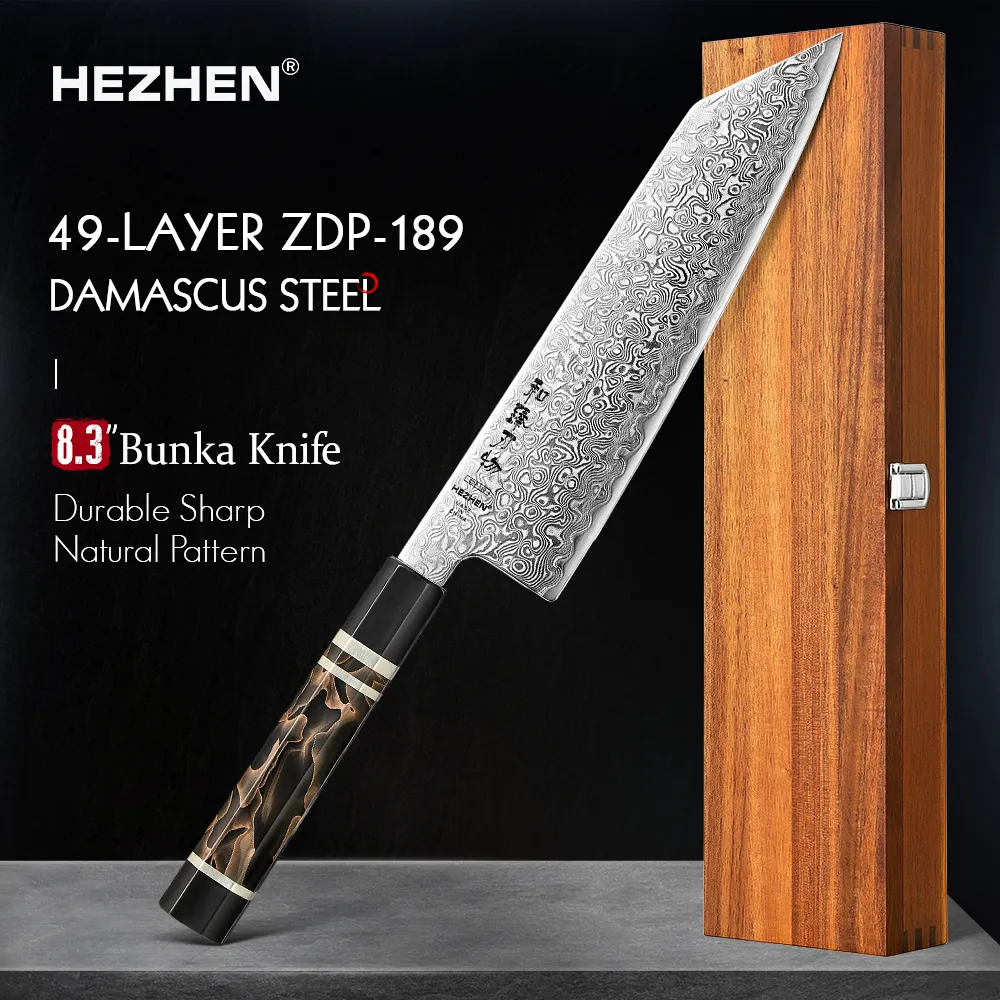
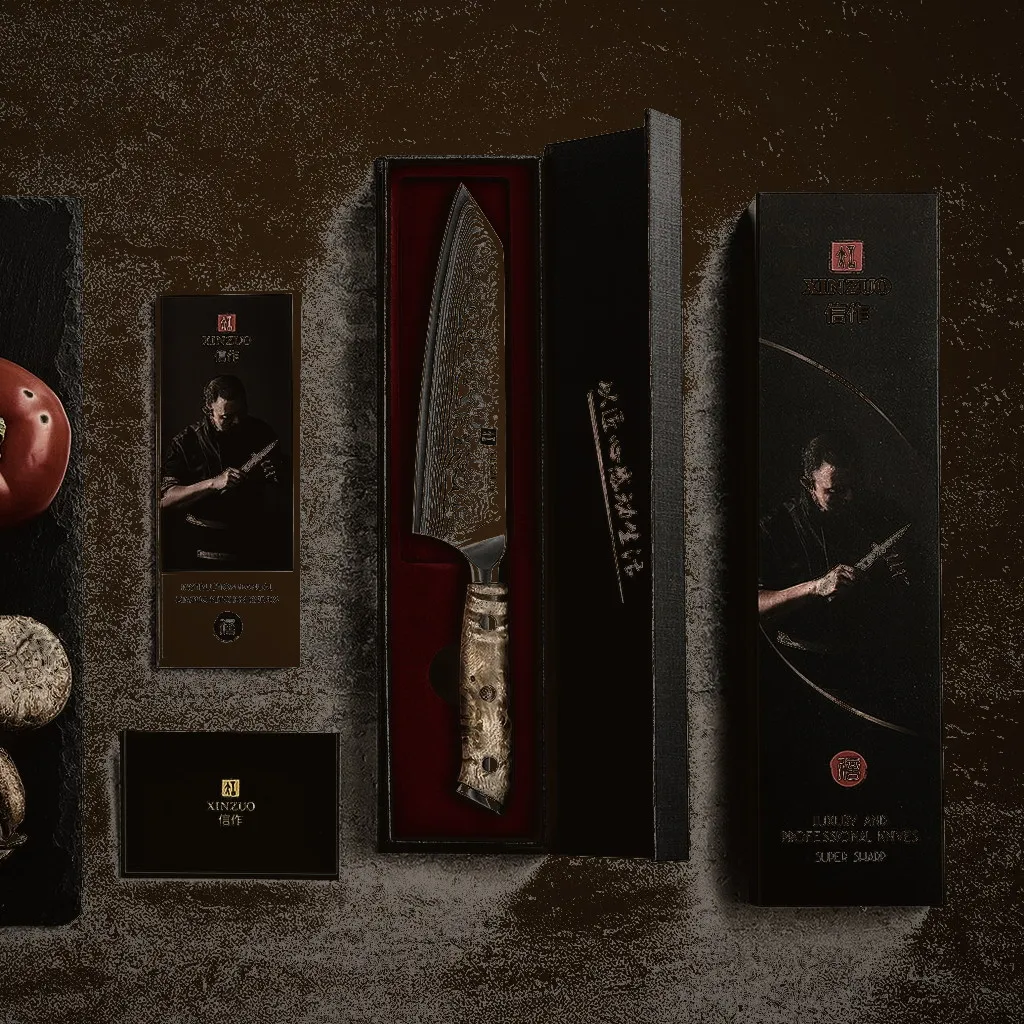
Kiritsuke and bunka
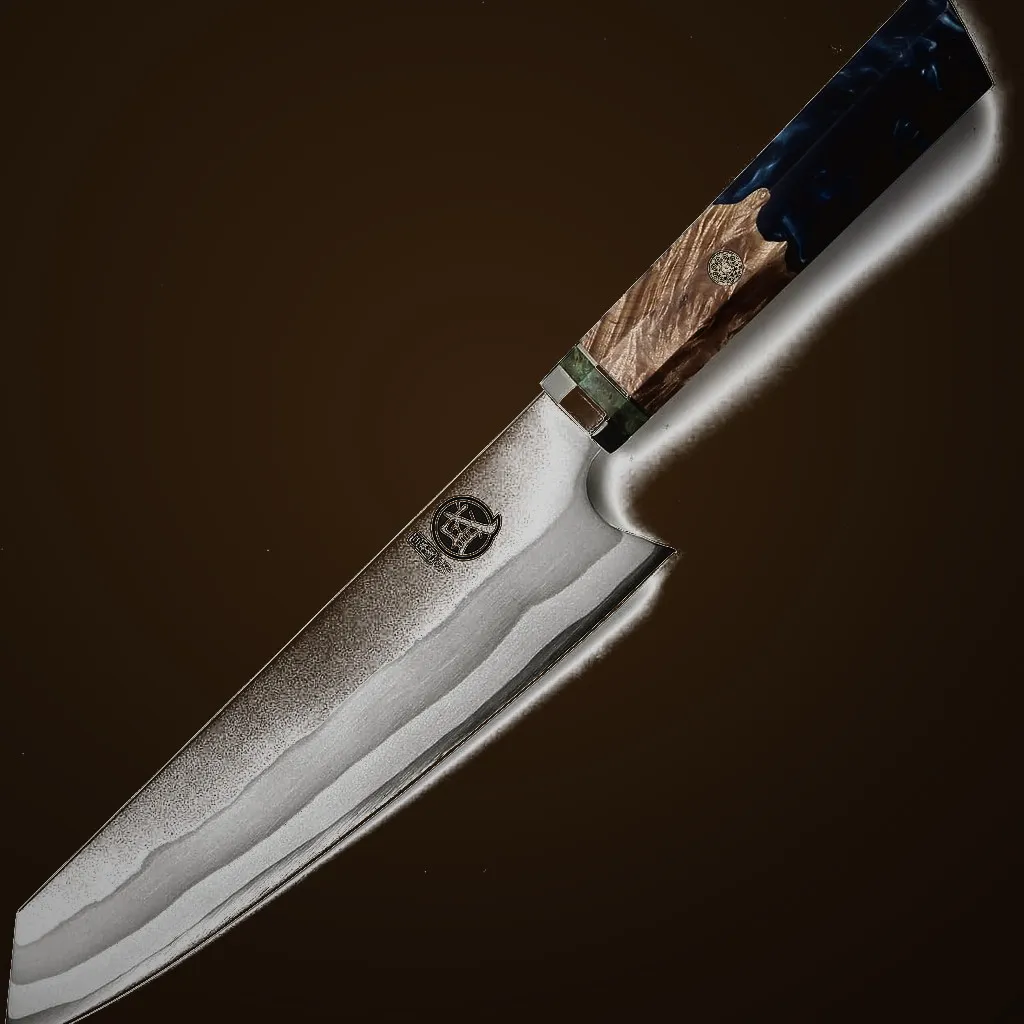
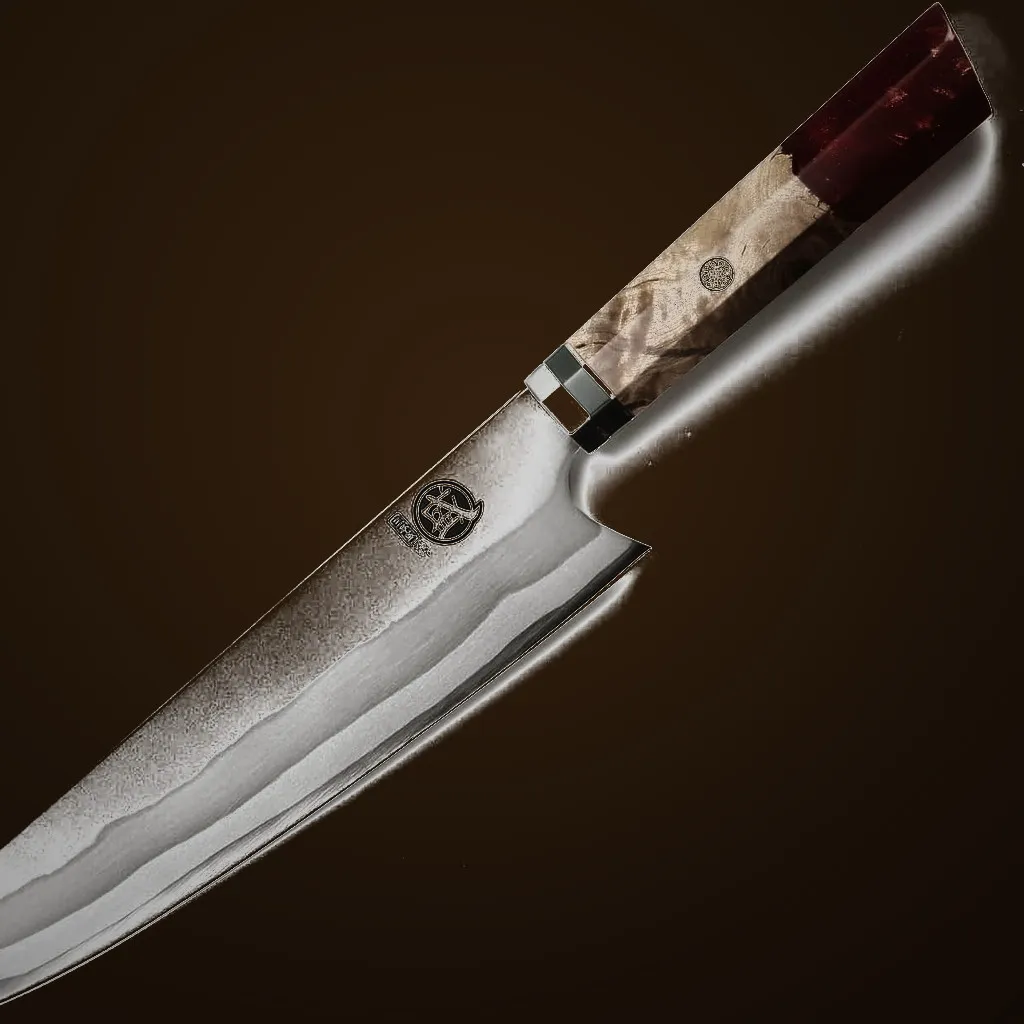
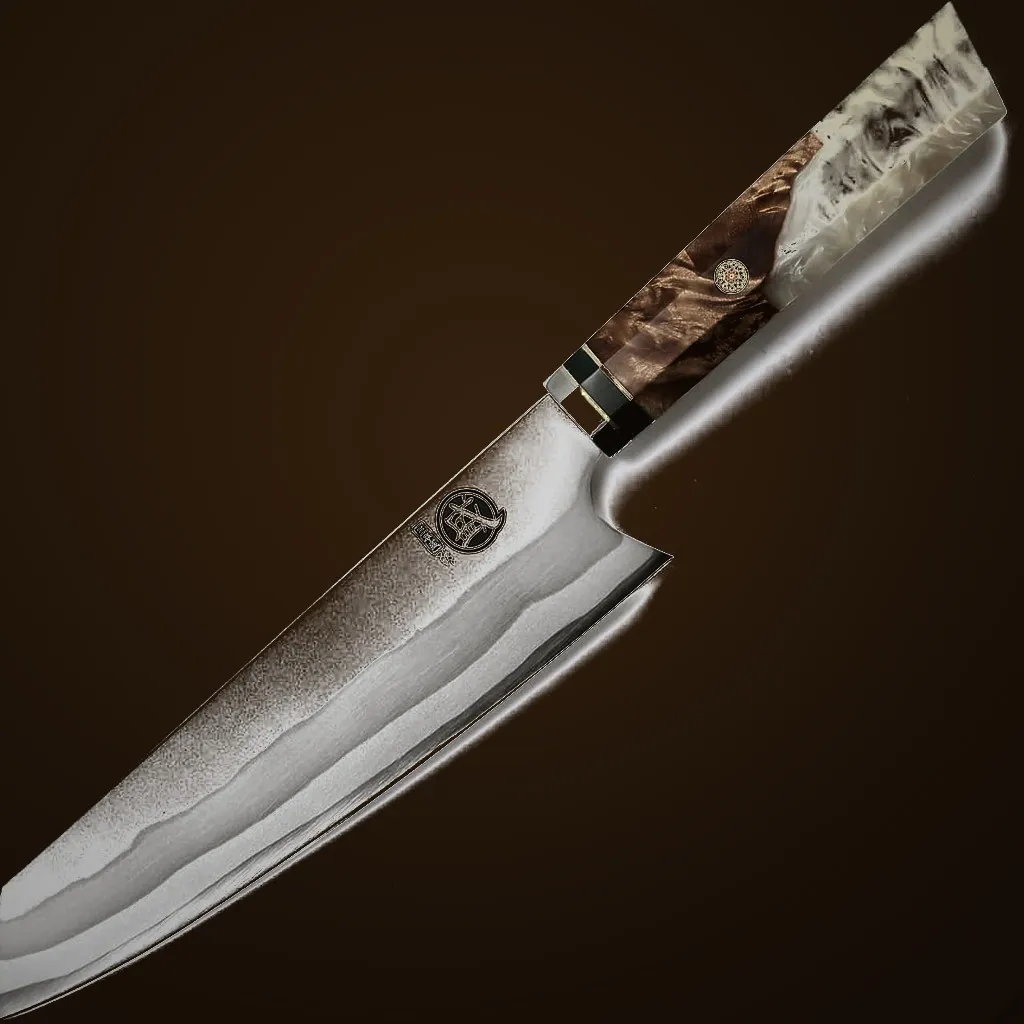
Angular primaries: a kiritsuke for reach and a reverse-tanto tip; a bunka when you want the same idea shorter. Named-core steel is the table, not a ranking.
Chef knives in the vault
Frequently asked questions
Chef knife questions before you pick a length
- What size chef knife should I buy?
- Eight inches covers most home cooking. A 7-inch santoku or bunka is the flatter alternative if you prefer a push-cut. Ten inches is for people who already know they want the extra reach.
- Is a santoku or bunka a chef knife?
- They do the same primary job with different geometry. A santoku is flatter and usually shorter. A bunka is a k-tip chef: belly for rock chops, clipped tip for garlic and trim. If you rock, buy a chef or gyuto; if you push-cut, buy the santoku. Chef vs santoku writes that motion test out.
- German vs Japanese chef knives — what do you actually sell?
- Most of this hub is Japanese-style geometry — thinner behind the edge, harder named cores — sold by a Canadian storefront. We do not pretend a VG-10 gyuto is a Wüsthof. The Japanese vs German dossier covers the trade-off.
- Can I put a VG-10 chef knife in the dishwasher?
- No. VG-10 still wants a hand-wash and a dry towel. Heat, detergent, and rattling roll the edge and can stain cladding. Hone weekly on a ceramic rod; stone when that stops working.
- How often should I sharpen a chef knife?
- Hone weekly if you cook most nights. A full stone session is when the hone no longer raises a working edge — often every few months at home, not every weekend. Powder cores hold longer and want diamond when they finally dull.
- Do chef knives ship free to Canada?
- Tracked shipping is 10% of the merchandise total and free when the order is $150 CAD or more. A chef plus a stone on the sharpening-tools hub often crosses that line. Delivery is typically two to four weeks in plain packaging.