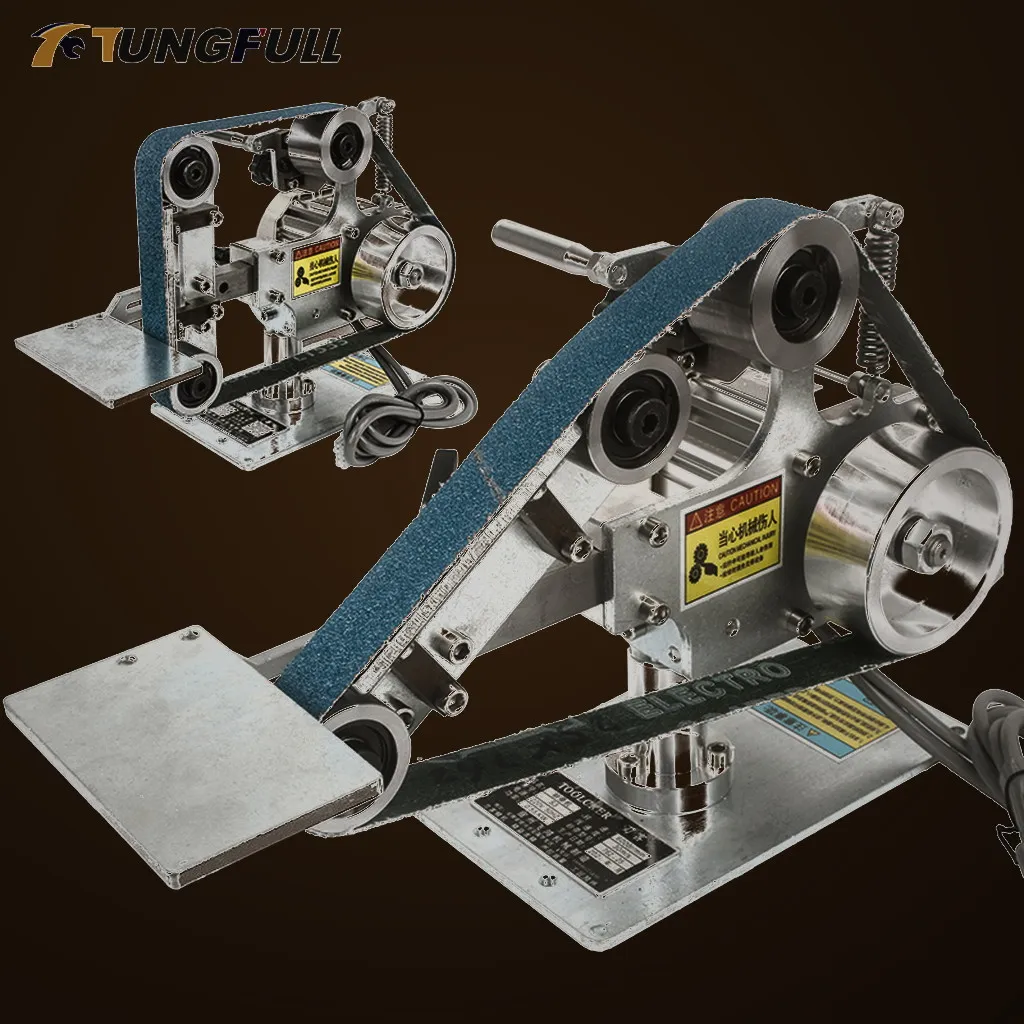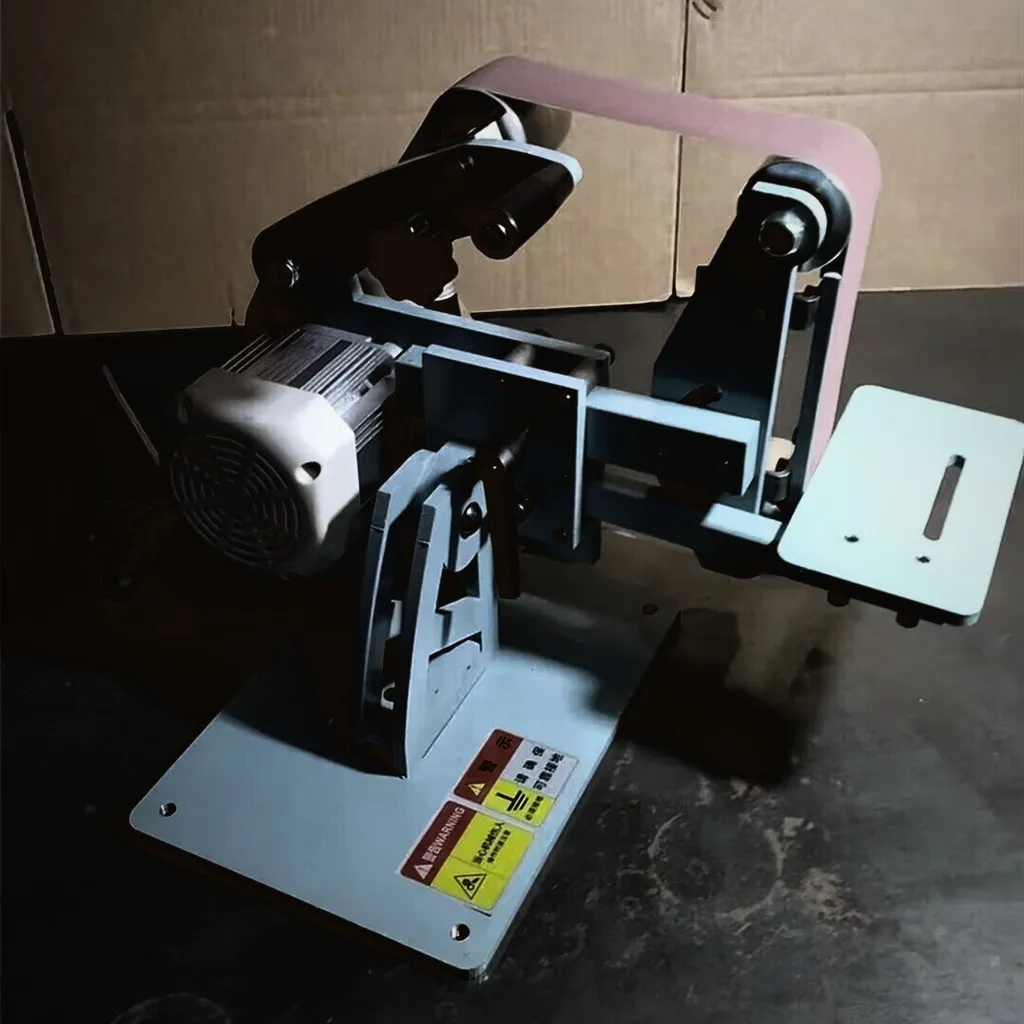
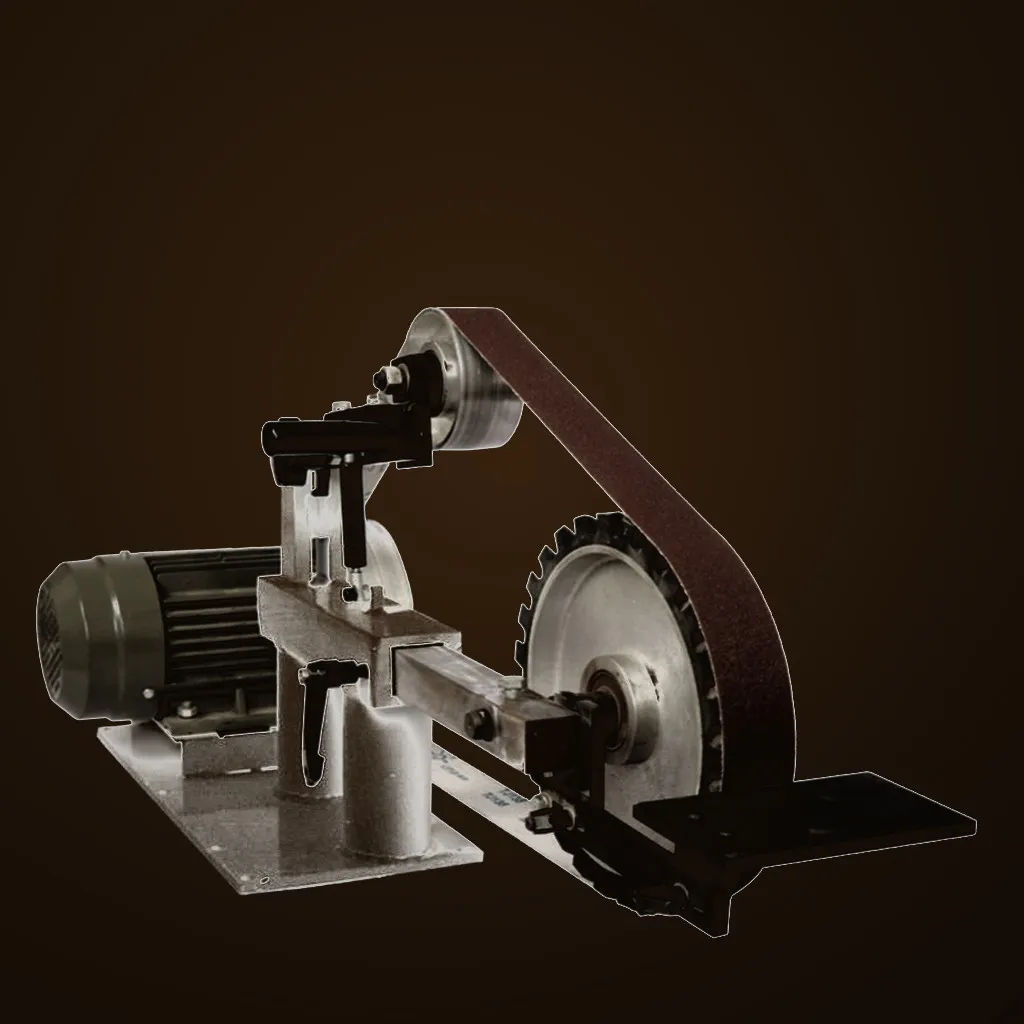
Knife Making · 2x72 variable-speed grinder
2×72 Belt Grinder · 2X72
$4,862.52 CAD
In stock · Tracked worldwide shipping · 18+
Belt Grinders · 2x72 and 2x48 · Canada
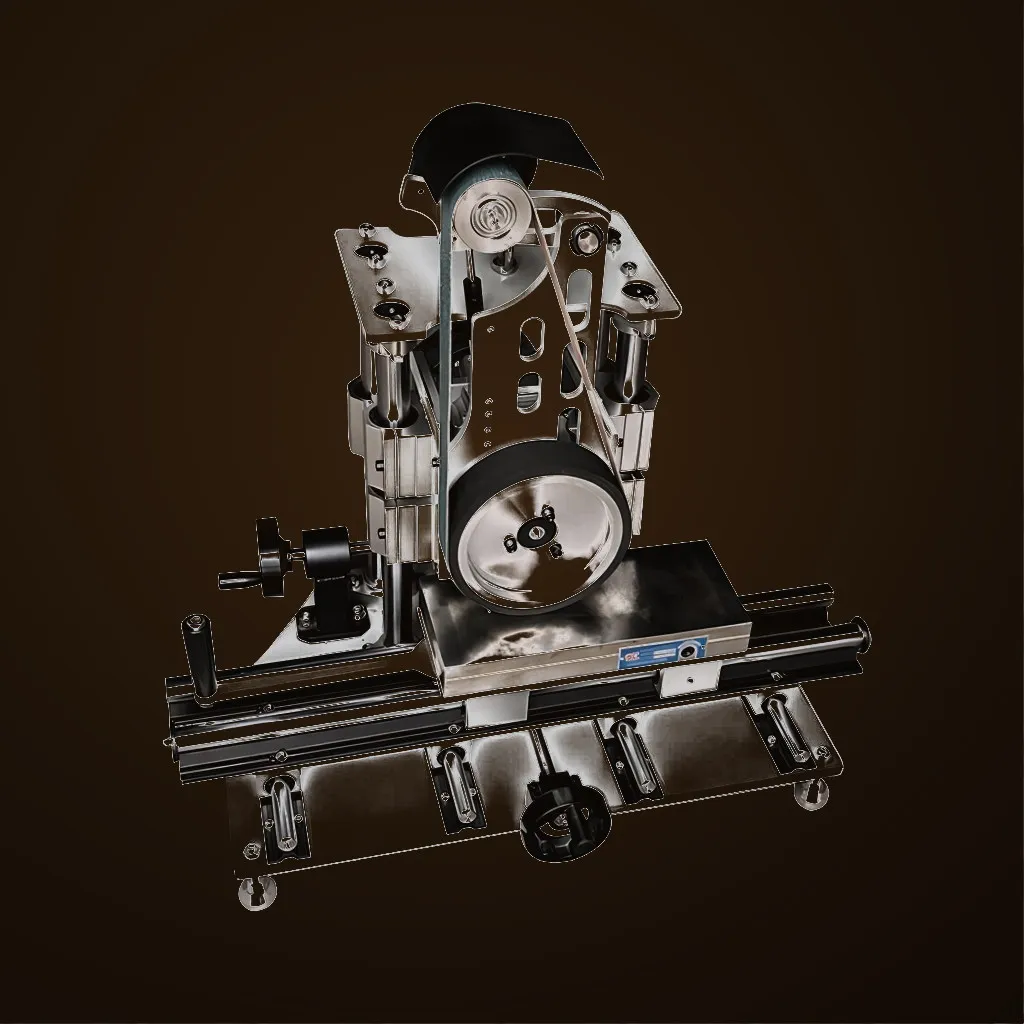
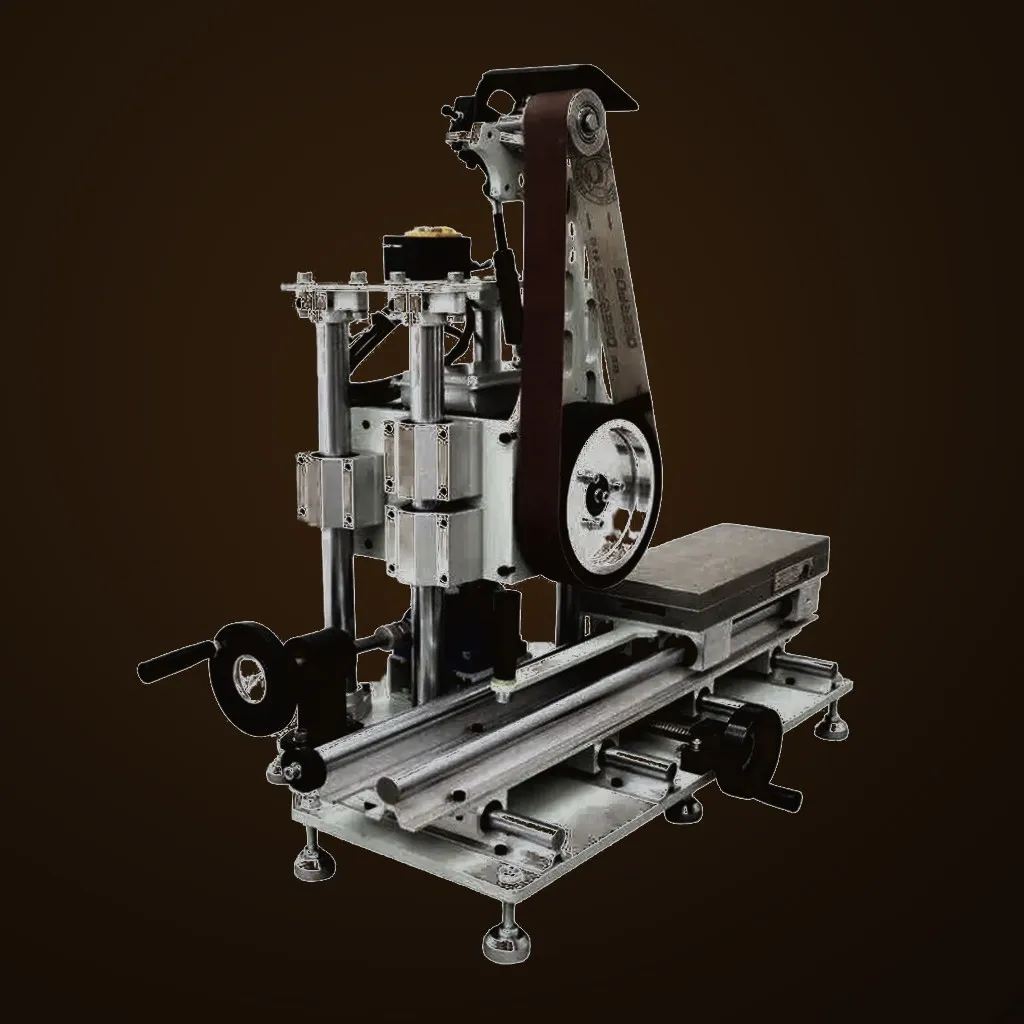
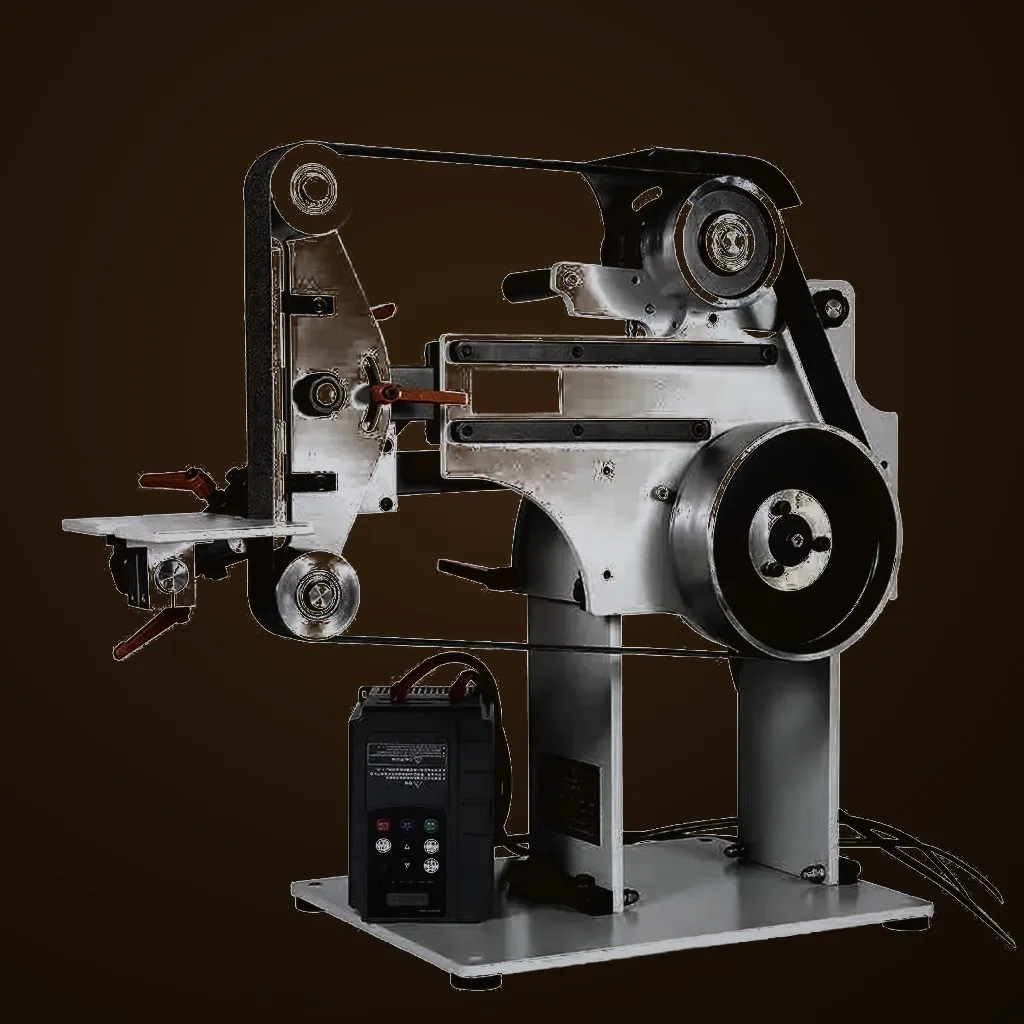
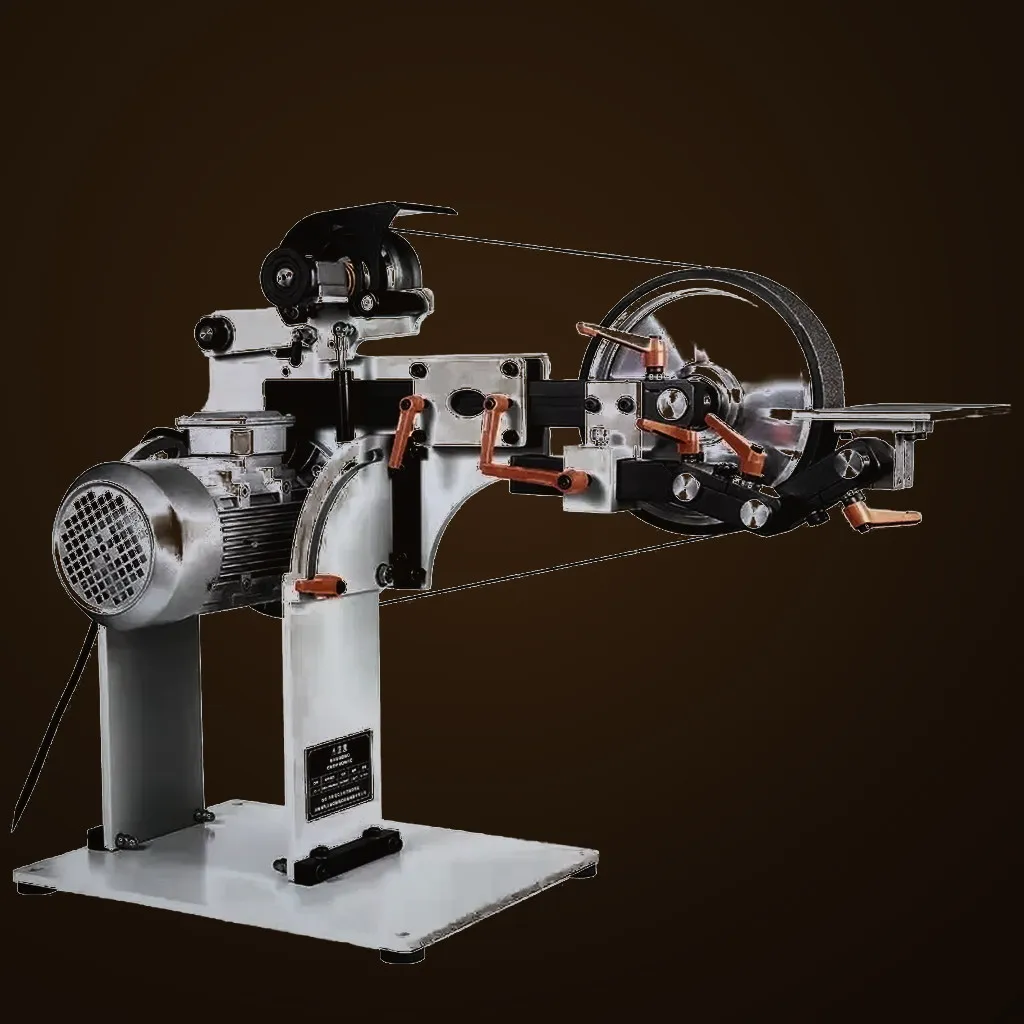
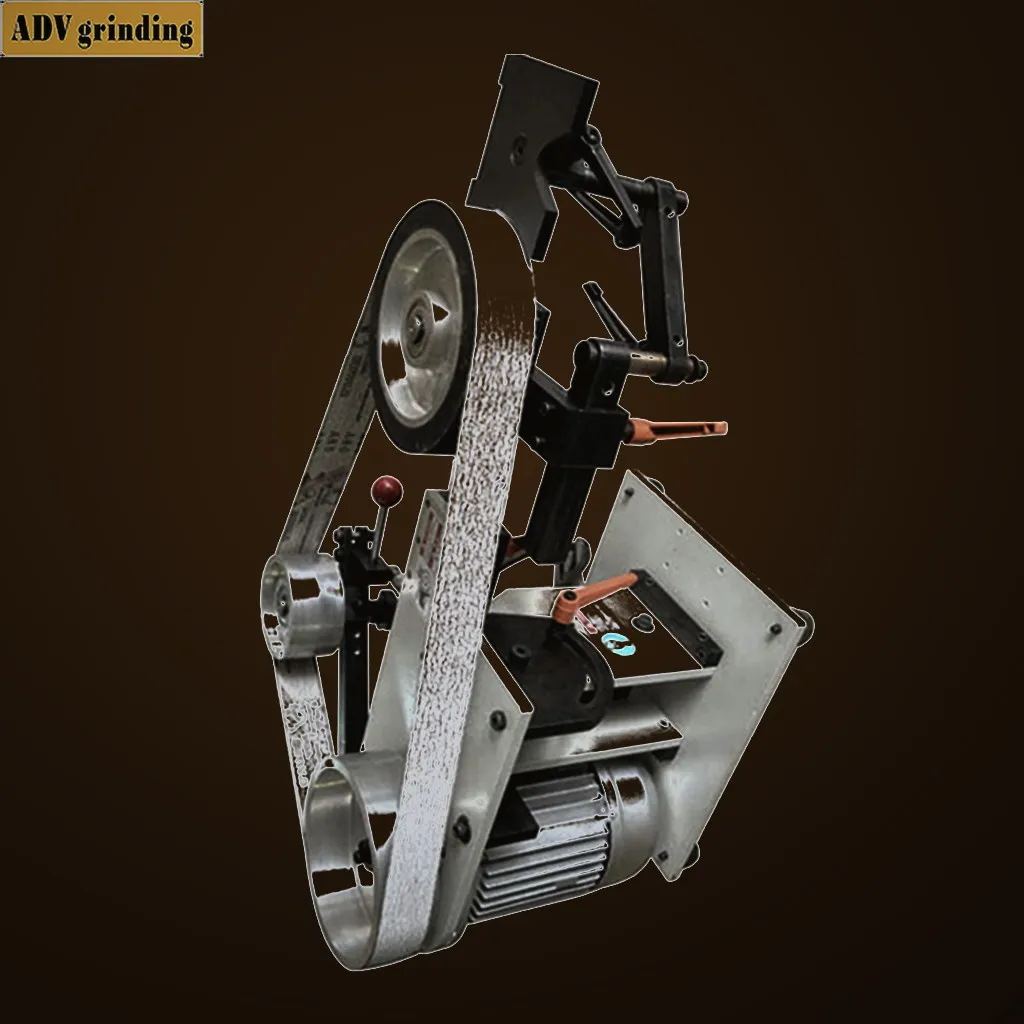
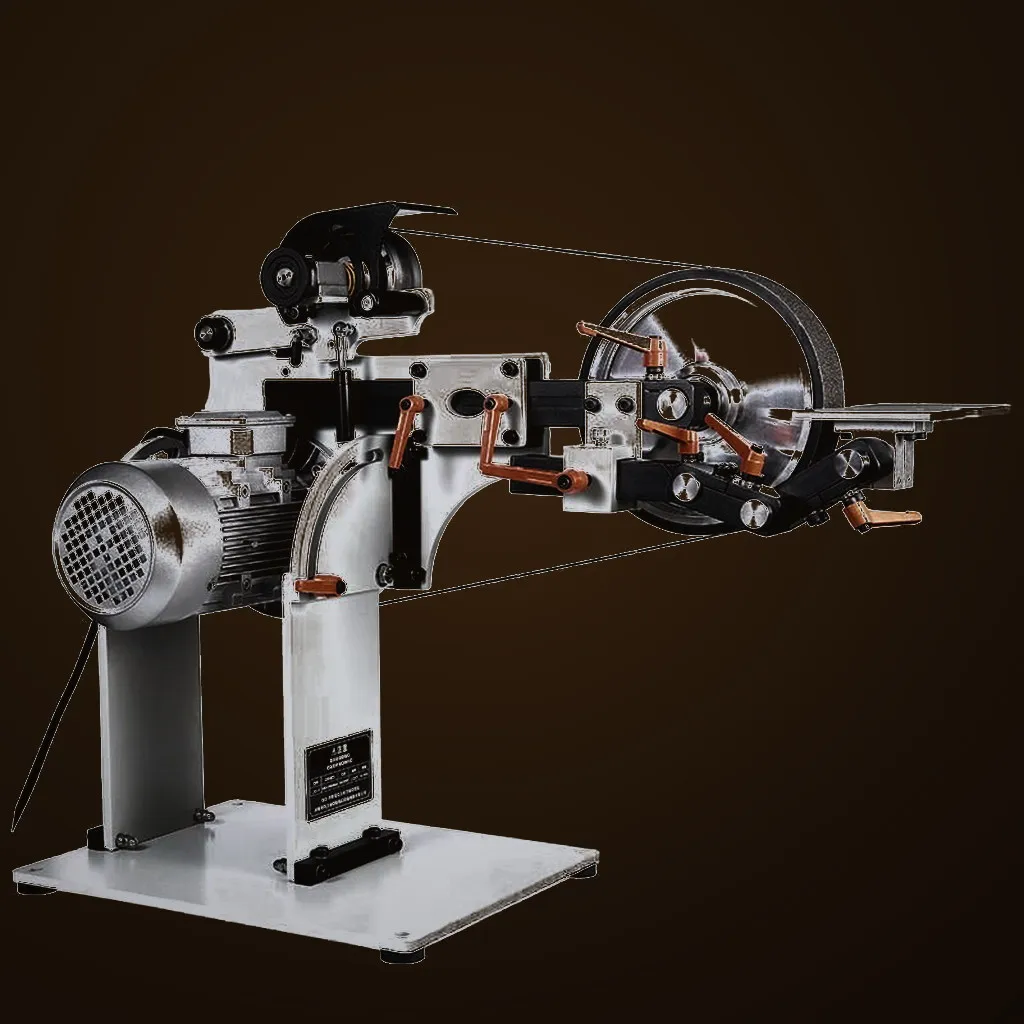
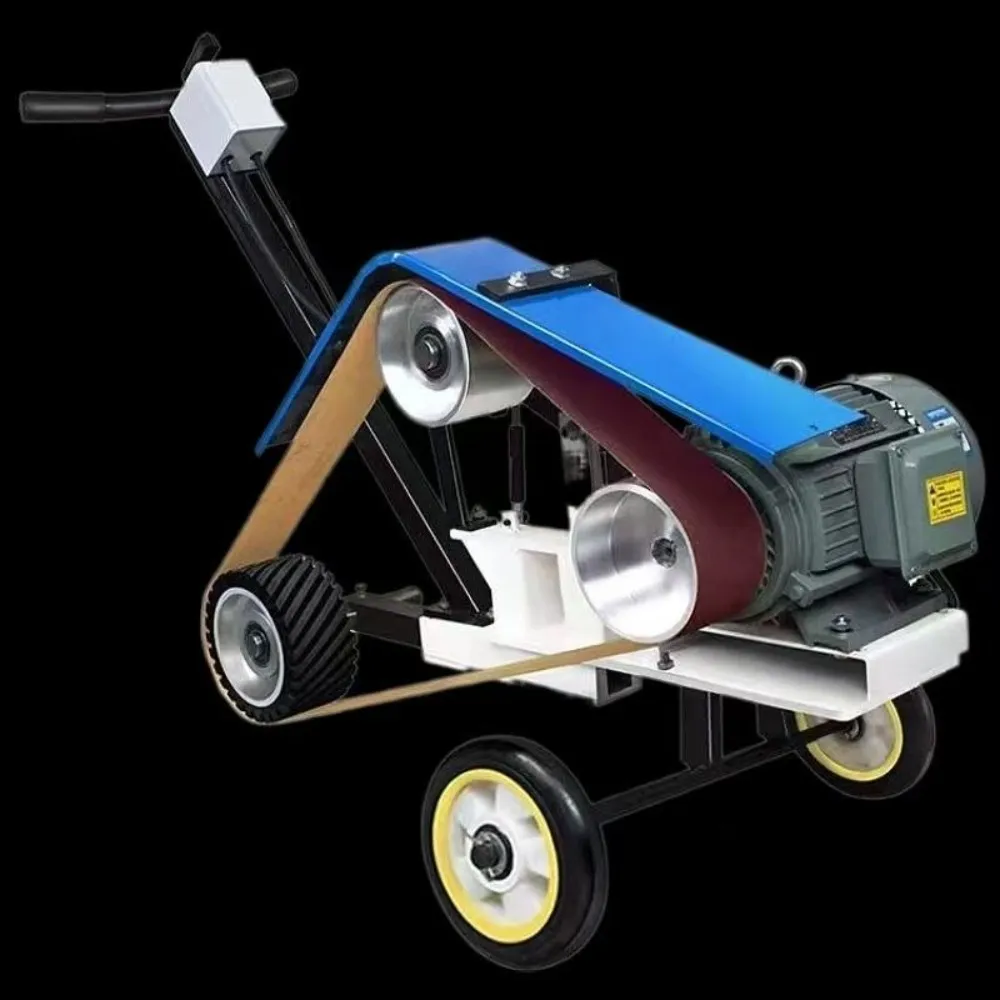
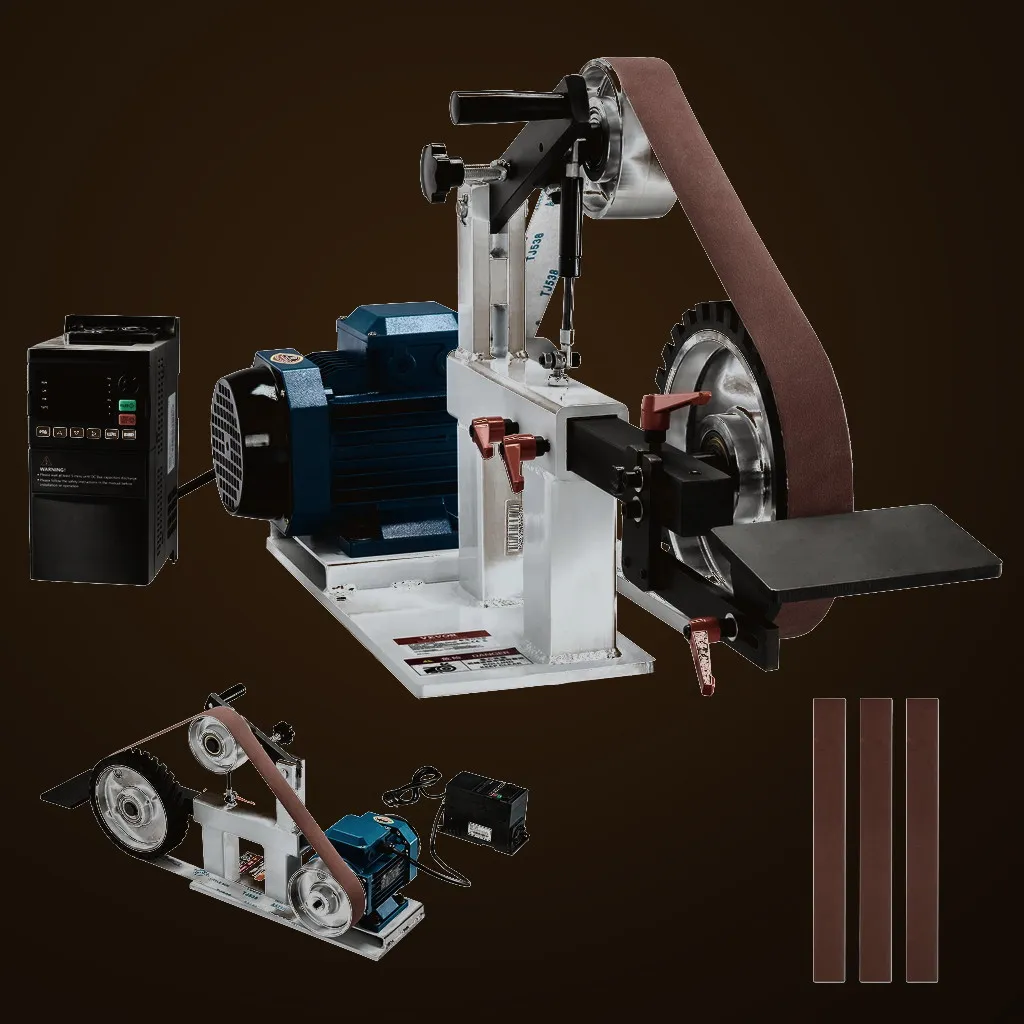
A 2×72 belt grinder is the machine that turns bar stock into a bevel you would actually use. This hub is the Canadian 2x72 and 2x48 shelf — variable-speed grinders and belt sanders listed for knife making — pulled from knife-making supplies so you can compare platen size and voltage without scrolling past handle scales. 2×72 is the hobby-to-small-shop standard: enough contact wheel and tracking for plunges and distal tapers. 2×48 is smaller, cheaper to belt, and slower on long blades. Horsepower without a named belt size is a skip.
The knifemaking guide assumes a belt grinder, not a forge, and this page is the hardware that guide points at. Confirm voltage on the listing (110V vs 220V vs 380V) before you order into a Canadian garage — a 220V machine will not plug into a standard 120V circuit without a plan. Belts are a separate order on the supplies shelf; the machine without belts is a boat anchor. Fiber lasers mark what you already ground. Sharpening tools finish the edge. A Ken Onion-style kitchen belt sharpener is not a 2×72.
Priced in CAD from documented source cost plus a documented retail margin. These machines ship as freight: 15% of the item price, never free, even though they clear $150 on their own. Typical delivery is two to four weeks. GST/HST at checkout from your province. Adults 18+. These are shop tools.
On this rail: the 2×72 variable-speed belt grinder, the SucceBuy 1500W 2×72, the 2×72 220V machine if your shop is wired for it, and smaller 2×48 belt grinders when space and belt cost matter more than speed.
Belt Grinders · 2x72 and 2x48 · Canada
eleven pieces · $317.07 CAD – $6,341.99 CAD · 15% freight on machines · 18+
A 2×72 belt grinder is the machine that turns bar stock into a bevel you would actually use. This hub is the Canadian 2x72 and 2x48 shelf — variable-speed grinders and belt sanders listed for knife making — pulled from knife-making supplies so you can compare platen size and voltage without scrolling past handle scales. 2×72 is the hobby-to-small-shop standard: enough contact wheel and tracking for plunges and distal tapers. 2×48 is smaller, cheaper to belt, and slower on long blades. Horsepower without a named belt size is a skip.
The knifemaking guide assumes a belt grinder, not a forge, and this page is the hardware that guide points at. Confirm voltage on the listing (110V vs 220V vs 380V) before you order into a Canadian garage — a 220V machine will not plug into a standard 120V circuit without a plan. Belts are a separate order on the supplies shelf; the machine without belts is a boat anchor. Fiber lasers mark what you already ground. Sharpening tools finish the edge. A Ken Onion-style kitchen belt sharpener is not a 2×72.
Priced in CAD from documented source cost plus a documented retail margin. These machines ship as freight: 15% of the item price, never free, even though they clear $150 on their own. Typical delivery is two to four weeks. GST/HST at checkout from your province. Adults 18+. These are shop tools.
On this rail: the 2×72 variable-speed belt grinder, the SucceBuy 1500W 2×72, the 2×72 220V machine if your shop is wired for it, and smaller 2×48 belt grinders when space and belt cost matter more than speed.
2x72 · 2x48 · Variable speed · 15% freight
How to make a knife with a belt grinder →
Start here if you want a short list: featured pieces from this collection, priced in CAD.
Canadian storefront · Est. 2015
Priced in CAD
Canadian dollars on the tag. GST/HST calculated at checkout from your address.
Freight on machines
CNC mills, lathes, fiber lasers, and belt grinders ship at 15% of item price and never qualify for free shipping.
Discreet packaging
Plain packaging. No knife graphics on the outside of the box.
Small goods over $150
Belts, jigs, and other small goods still follow the 10% / free-over-$150 rule.
Adults 18+
Responsible ownership. You confirm lawful purchase at checkout. Unlawful orders are cancelled and refunded.
On this shelf
The usual first serious knife-making machine: enough wheel and tracking for full-size blades. Check the listing for the actual belt size and voltage. Freight is 15% and never free.
On this shelf
Smaller platens, cheaper belts, slower on long blades. Right when bench space is the constraint.
Frequently asked questions